
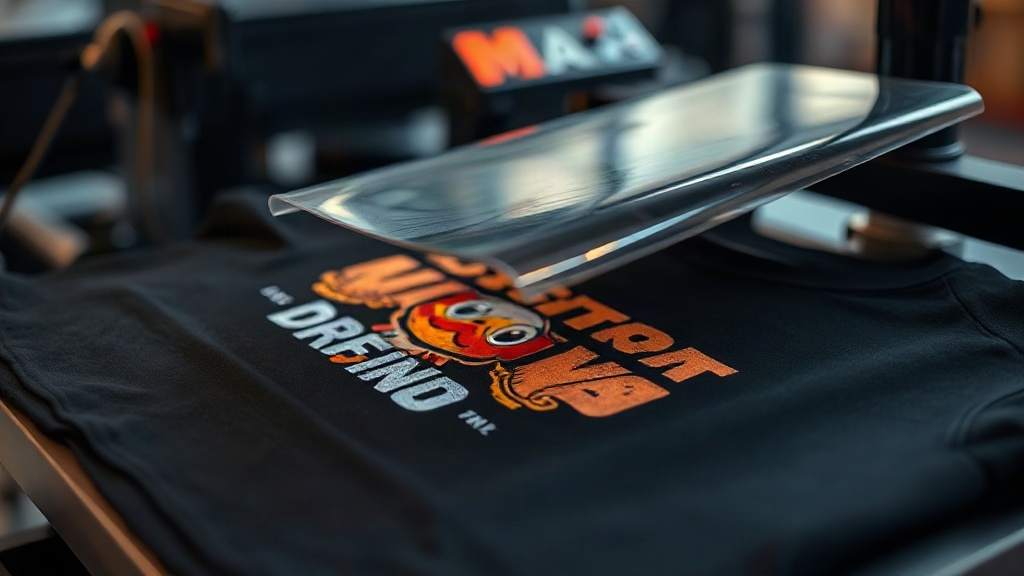
Imagine pressing a button and watching a full-color, photorealistic design bond seamlessly onto a cotton t-shirt in under a minute. That's the magic of DTF Transfers. Unlike traditional methods that limit your palette or require specialty fabrics, DTF (Direct-to-Film) printing has quickly become the go-to solution for creators who demand flexibility and durability. Whether you're a small business owner, a hobbyist, or a professional decorator, understanding DTF transfers can open up a world of possibilities for your custom apparel projects.
What Are DTF Transfers?
DTF Transfers are a type of heat-applied decoration where a design is printed onto a special film, coated with a adhesive powder, and then transferred to fabric using a heat press. The process begins with a digital printer that lays down CMYK inks plus white onto a PET film. A powdered hot-melt adhesive is then applied, and the film is cured. When you're ready to apply, you simply place the transfer on your garment and press. The result? A soft, stretchable, and incredibly durable print that adheres to almost any fabric, including cotton, polyester, blends, and even leather.
How DTF Transfers Work: Step by Step
Understanding the workflow helps you appreciate the technology and troubleshoot issues. Here's a breakdown of the DTF process from start to finish.
1. Design Preparation
Your design should be in a digital format, preferably with a transparent background. Unlike DTG or screen printing, DTF doesn't require color separations or special color profiles. However, you'll want to ensure your artwork is high-resolution (300 DPI) for crisp details. The printer's RIP software will handle the white underbase automatically, so you don't need to create separate white layers.
2. Printing
The printer lays down the colored inks first, followed by a white ink layer. This white layer acts as a base, making the colors pop on dark garments. The film is then fed into a shaker unit that applies the adhesive powder. Excess powder is shaken off, and the film passes through a curing oven to melt the powder into a smooth, even coating.
3. Transfer Application
Once the transfer is cured, it's ready to use. You can store it for later or apply it immediately. Using a heat press, you'll press the transfer onto your garment at a specific temperature (usually 300-325°F) for 10-15 seconds. After pressing, you peel the film away—either hot or cold, depending on the film type. The design remains on the fabric, with the adhesive bonded to the fibers.
Why DTF Transfers Are a Game-Changer
DTF transfers have several advantages that set them apart from other decoration methods. Let's explore the key benefits.
Unmatched Versatility
One of the biggest draws of DTF is its ability to print on virtually any fabric. Cotton, polyester, nylon, leather, and even wood can be decorated. This makes it ideal for a wide range of products, from t-shirts and hoodies to tote bags and caps. Additionally, DTF transfers can be applied to dark and light colors alike, thanks to the white underbase.
Vibrant, Detailed Prints
Because DTF uses CMYK inks, it can reproduce millions of colors and fine details like gradients and photographs. There's no color matching hassle, and the prints are incredibly vibrant. The white layer ensures that colors remain bright even on black or navy backgrounds.
Durability and Stretch
DTF transfers are known for their durability. The adhesive bonds firmly to the fabric, resisting cracking, peeling, and fading. The prints also stretch with the garment, making them perfect for athletic wear and stretchy fabrics. With proper care, a DTF print can outlast the garment itself.
Cost-Effective for Small Runs
Unlike screen printing, which requires separate screens for each color and becomes cost-effective only at high volumes, DTF is economical for short runs. You can print one-off designs or small batches without incurring setup fees. This makes it a favorite among small businesses and personalized gift makers.
DTF vs. Other Printing Methods
How does DTF stack up against DTG, screen printing, and vinyl? Here's a quick comparison.
- DTG (Direct-to-Garment): Best for 100% cotton, but requires pre-treatment and can be less durable on synthetics. DTF works on more fabrics and often has a softer feel.
- Screen Printing: Ideal for large orders with few colors. DTF excels in complex, multi-color designs and small batches.
- Heat Transfer Vinyl (HTV): Great for simple shapes and text, but limited in color and detail. DTF can produce full-color images with gradients.
Each method has its place, but DTF offers a unique blend of versatility, quality, and cost-efficiency that's hard to beat.
Expert Tips for Perfect DTF Transfers
To get the best results, follow these practical tips from seasoned decorators.
Choose the Right Film
Not all DTF films are created equal. Look for films that match your printer and application needs. For example, some films are designed for hot peel, while others require cold peel. Using the wrong film can lead to adhesive failure or poor durability.
Control Moisture
Fabric moisture can ruin a DTF transfer. Always pre-press your garment for a few seconds to remove moisture and wrinkles. This step also helps the transfer adhere evenly.
Adjust Pressure and Temperature
Heat press settings are critical. Too little pressure and the transfer won't bond; too much and the design may spread or the fabric may scorch. Follow the transfer manufacturer's recommendations and test on a scrap piece first.
Store Transfers Properly
If you're not using transfers immediately, store them in a cool, dry place away from direct sunlight. Proper storage prevents the adhesive from absorbing moisture, which can affect performance.
Common Challenges and Solutions
Even with the best practices, you might encounter issues. Here are some common problems and how to fix them.
- Transfer not adhering: Increase pressure or temperature, or check that the fabric is free of moisture and wrinkles.
- Colors look dull: Ensure the white ink layer is properly printed and cured. Also, verify that your printer's settings are correct.
- Cracking after wash: This often indicates under-curing of the adhesive powder. Make sure the shaker unit is functioning correctly and the curing temperature is accurate.
With a bit of troubleshooting, you can overcome these hurdles and achieve consistent results.
Frequently Asked Questions About DTF Transfers
How long do DTF transfers last?
With proper application and care, DTF transfers can last as long as the garment. They resist fading, cracking, and peeling even after multiple washes. Always follow washing instructions: turn the garment inside out, use cold water, and avoid harsh detergents.
Can I use DTF transfers on polyester?
Yes, DTF transfers work exceptionally well on polyester and polyester blends. The low application temperature (compared to some other methods) prevents the fabric from scorching or dye migration.
Do I need a special printer for DTF?
You can convert a standard inkjet printer to DTF by using DTF inks and films, but dedicated DTF printers are available and offer better reliability and output. If you're just starting, you might consider outsourcing your transfers to a professional service like DTF Prods.
What's the difference between hot peel and cold peel DTF film?
Hot peel film allows you to remove the carrier sheet immediately after pressing while the transfer is still hot. Cold peel requires you to wait until the transfer cools down before peeling. The choice depends on your workflow and the film's specifications.
Can I layer DTF transfers?
Yes, you can layer DTF transfers to create multi-dimensional designs. Just press the first transfer, then apply the second on top, ensuring proper alignment and pressing parameters.
DTF transfers are more than just a trend; they're a versatile and reliable tool for anyone in the custom apparel industry. By mastering the process and applying these expert insights, you can elevate your creations and delight your customers. So go ahead, experiment with DTF Transfers, and watch your designs come to life.