
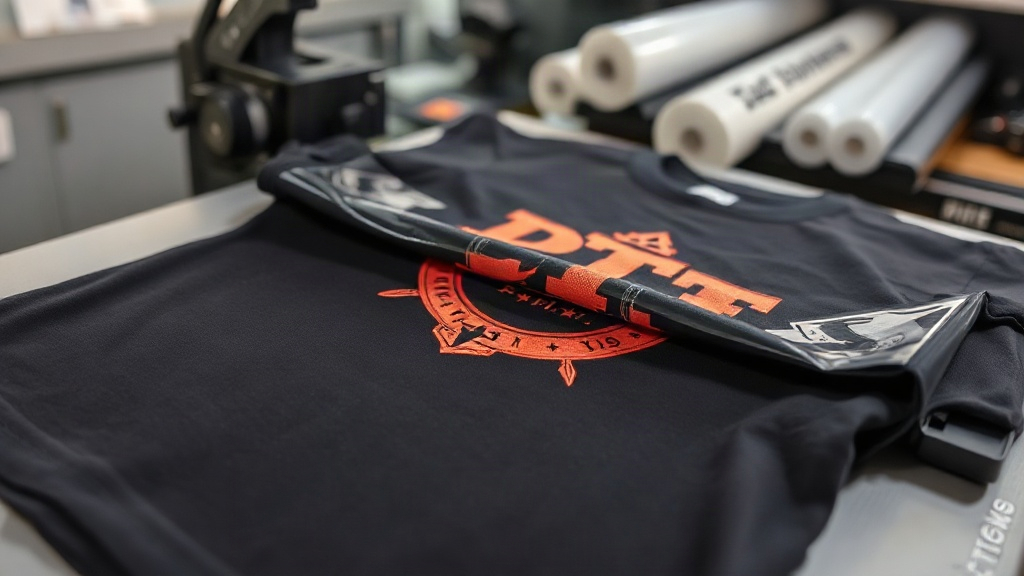
If you've been exploring custom apparel printing, you've likely encountered the term DTF. Short for Direct to Film, DTF printing has rapidly become a favorite among hobbyists and professionals alike. But what exactly is DTF, and why is it causing such a buzz? In this guide, we'll dive deep into the world of DTF printing, covering everything from the basic process to advanced tips, so you can decide if it's the right fit for your projects.
What is DTF Printing?
DTF stands for Direct to Film. It's a printing method where your design is printed onto a special film, coated with a powder adhesive, and then heat-pressed onto fabric. Unlike DTG (Direct to Garment) or screen printing, DTF doesn't require pre-treatment of the fabric or specialized equipment beyond a printer, powder, and heat press. This makes it incredibly accessible for small businesses and home-based creators.
The magic of DTF lies in its versatility. You can print on a wide range of fabrics, including cotton, polyester, blends, and even nylon. The transfers are durable, stretchable, and vibrant, making them ideal for everything from t-shirts to tote bags.
How Does DTF Printing Work?
The DTF process can be broken down into four main steps:
- Design Preparation: Your artwork is prepared digitally, ensuring it's mirrored and sized appropriately. Colors are usually vibrant, and white ink is used as a base for opacity.
- Printing: A specialized DTF printer lays down the design onto a PET film. The printer uses CMYK inks plus white ink to create the image.
- Powdering: While the ink is still wet, a hot-melt adhesive powder is applied evenly over the print. Excess powder is shaken off.
- Curing: The film with the powder is then heated to melt the adhesive, usually in a curing oven or with a heat press. This creates a dry, ready-to-use transfer.
Once you have your transfer, you simply place it on your fabric, cover it with a protective sheet, and press it with a heat press at the recommended temperature and pressure. After peeling the film (hot or cold peel depending on the film), your design is permanently bonded to the fabric.
Why Choose DTF Printing?
There are several compelling reasons to consider DTF printing for your custom apparel needs:
- No Weeding Required: Unlike vinyl cutting, DTF doesn't require tedious weeding of tiny details. This saves time and reduces waste.
- Full-Color Complexity: DTF can reproduce intricate designs with gradients, photographs, and fine lines without the need for multiple screens or color separations.
- Fabric Flexibility: Works on almost any fabric, including dark and light colors, without the need for special coatings.
- Durability: When properly applied, DTF transfers withstand repeated washing without fading or cracking.
- Cost-Effective for Short Runs: No setup fees or minimums, making it perfect for one-off items or small batches.
DTF vs. Other Printing Methods
How does DTF stack up against other popular printing techniques? Let's compare:
DTF vs. DTG
DTG (Direct to Garment) prints directly onto the fabric, often requiring pre-treatment for dark shirts. DTF transfers can be printed in advance and applied to any fabric, offering more flexibility. DTG might have a softer feel, but DTF offers better durability and color vibrancy on dark garments.
DTF vs. Screen Printing
Screen printing is cost-effective for large orders but requires setup per color and is impractical for complex designs. DTF excels in detailed, multi-color designs and short runs, with no color limitations.
DTF vs. Vinyl
Heat transfer vinyl (HTV) is great for simple shapes and text but falls short for photographic images. DTF handles any design, including fine details, without weeding.
Getting Started with DTF Printing
Ready to try DTF? Here's what you'll need:
- DTF Printer: Options range from converted Epson printers to dedicated DTF machines. Popular brands include Ving, Prestige, and Polyprint.
- DTF Inks: Specifically formulated pigment inks for DTF printing, including white ink.
- PET Film: Usually 75-100 microns thick, with a matte or glossy side for printing.
- Adhesive Powder: TPU-based powder that melts and bonds the ink to fabric.
- Heat Press: A reliable heat press capable of reaching 325°F (160°C) and applying even pressure.
- Curing Oven (optional): For faster production, but a heat press can also cure the powder.
Start with a quality printer and supplies from reputable sources. Many suppliers offer starter kits that include everything you need to begin.
Tips for Flawless DTF Transfers
To ensure your DTF transfers come out perfect every time, keep these tips in mind:
- Maintain Your Printer: Regular cleaning and maintenance prevent clogged nozzles and ensure consistent prints.
- Control Humidity: High humidity can affect powder application. Work in a dry environment.
- Test Your Press: Every heat press is different. Calibrate temperature, pressure, and time with test prints.
- Use the Right Powder: Choose fine or coarse powder based on your design details. Fine powder is better for intricate designs.
- Store Transfers Properly: Keep unused transfers in a cool, dry place away from direct sunlight.
Common DTF Problems and How to Fix Them
Even with experience, issues can arise. Here are some common problems and solutions:
Transfer Not Sticking
If your transfer peels off, it could be due to insufficient pressure, wrong temperature, or not enough powder. Increase pressure and ensure the powder is fully melted. Also, check that the fabric is clean and free of wrinkles.
Cracking or Fading
Over time, transfers may crack if stretched excessively or washed in hot water. Use a heat press for application, and advise customers to wash garments inside out in cold water and avoid bleach.
Clogged Printhead
Regular printing and cleaning cycles prevent clogs. If a clog occurs, use a cleaning solution and follow the printer's maintenance guide.
Frequently Asked Questions about DTF Printing
What fabrics can I use with DTF transfers?
DTF transfers work on a wide range of fabrics, including cotton, polyester, cotton-poly blends, nylon, and even leather. They adhere well to both light and dark materials without special pre-treatment.
How long do DTF transfers last?
With proper application and care, DTF transfers can last as long as the garment itself. They withstand dozens of washes without significant fading or cracking. Following wash care instructions is key.
Can I print DTF transfers at home?
Absolutely! Many home-based businesses use DTF printers. You'll need a dedicated printer, inks, film, powder, and a heat press. It's a manageable setup for a spare room or garage.
Do I need a special printer for DTF?
Yes, you need a printer that uses DTF pigment inks and can handle white ink. Some people convert Epson printers, but dedicated DTF printers are more reliable for consistent results.
Is DTF printing profitable?
Yes, DTF printing can be very profitable, especially for small batches and custom orders. The low startup cost and ability to print on demand make it a great side hustle or full-time business.
Conclusion
DTF printing is a game-changer in the custom apparel industry. Its versatility, durability, and ease of use make it an attractive option for creators at any level. Whether you're just starting out or looking to expand your services, DTF transfers offer a world of possibilities. With the right equipment and a bit of practice, you'll be producing vibrant, long-lasting designs in no time. So why not give DTF a try? Your customers will love the results, and you'll love the simplicity.