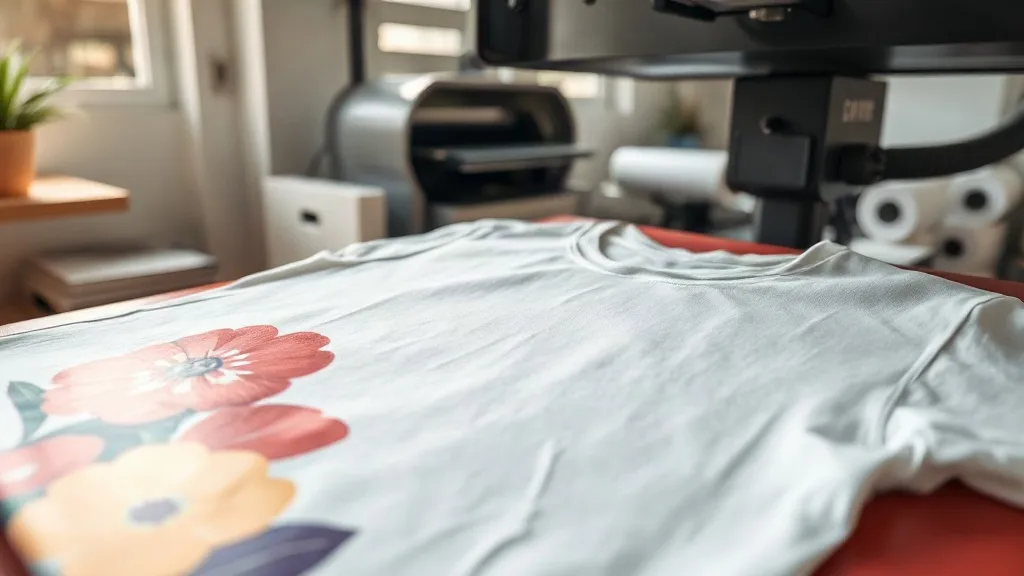
DTF Transfers: A Beginner's Guide to Professional Results
Learn how DTF transfers work, from design to application, and discover tips for flawless results on any fabric.

Learn how DTF transfers work, from design to application, and discover tips for flawless results on any fabric.
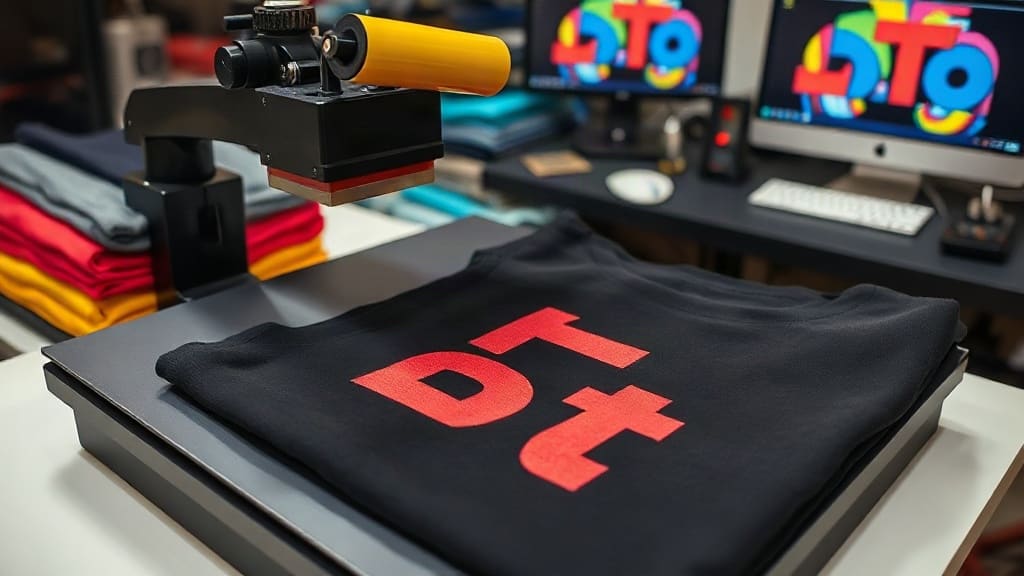
Discover how DTF transfers work with Shaka Wear and Smart Blanks. Learn application techniques, fabric compatibility, and pro tips for vibrant, durable prints.
Learn how to apply DTF transfers to Shaka Wear and Smart Blanks for durable, vibrant prints. Get expert tips on fabric compatibility, pressing, and troubleshooting.
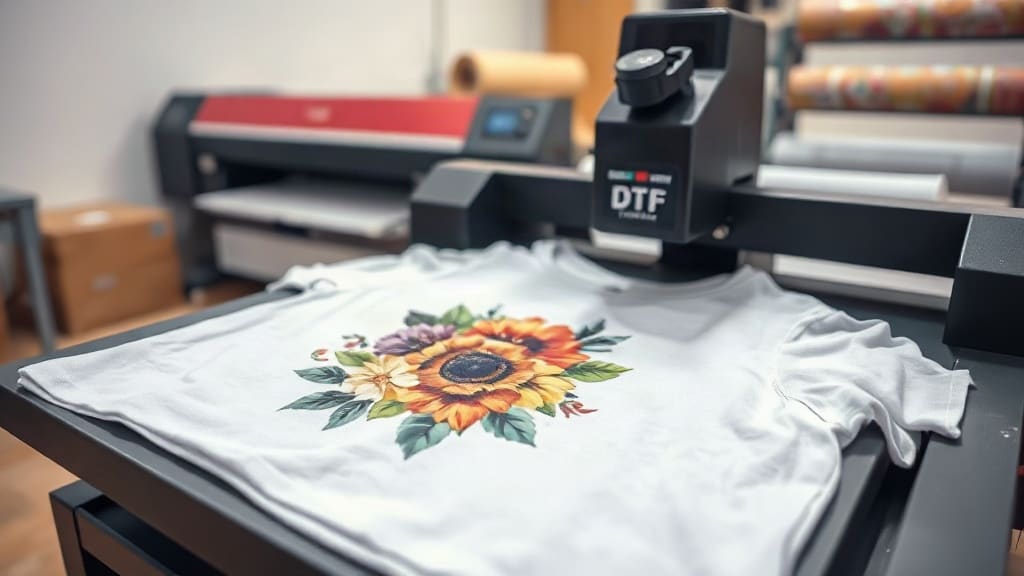
Learn how DTF transfers work, their benefits, and how to apply them for vibrant, durable prints on various fabrics.
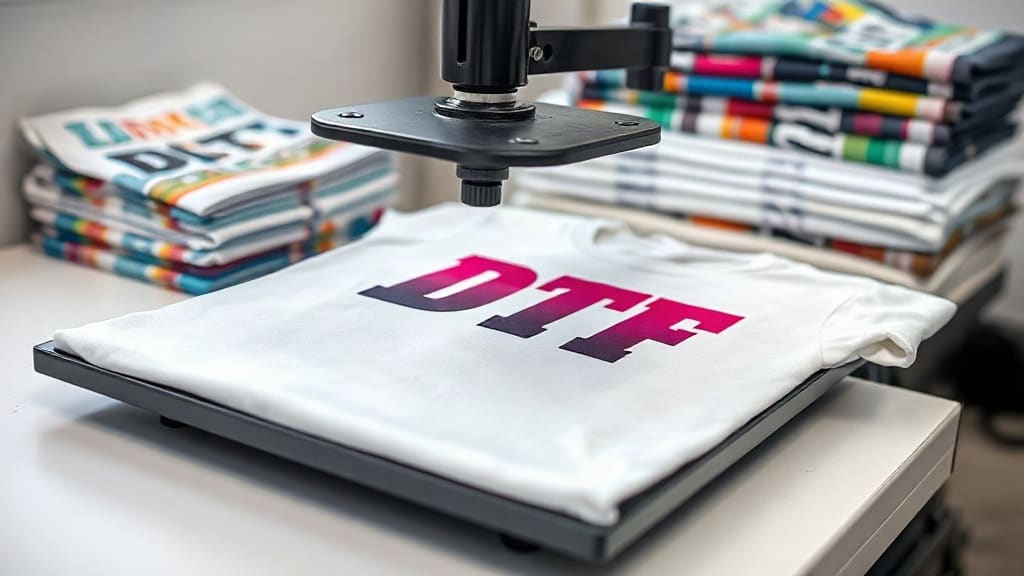
Learn how DTF transfers work, their advantages, and step-by-step application for vibrant, durable prints on various fabrics.
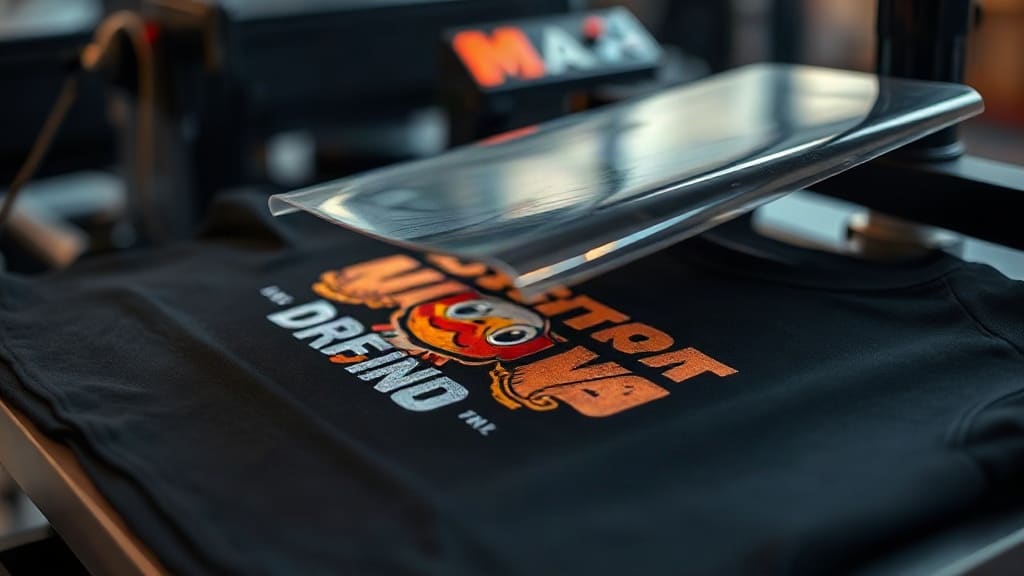
Discover how DTF transfers are revolutionizing custom apparel with vibrant colors, durability, and versatility. Learn the process, benefits, and expert tips.
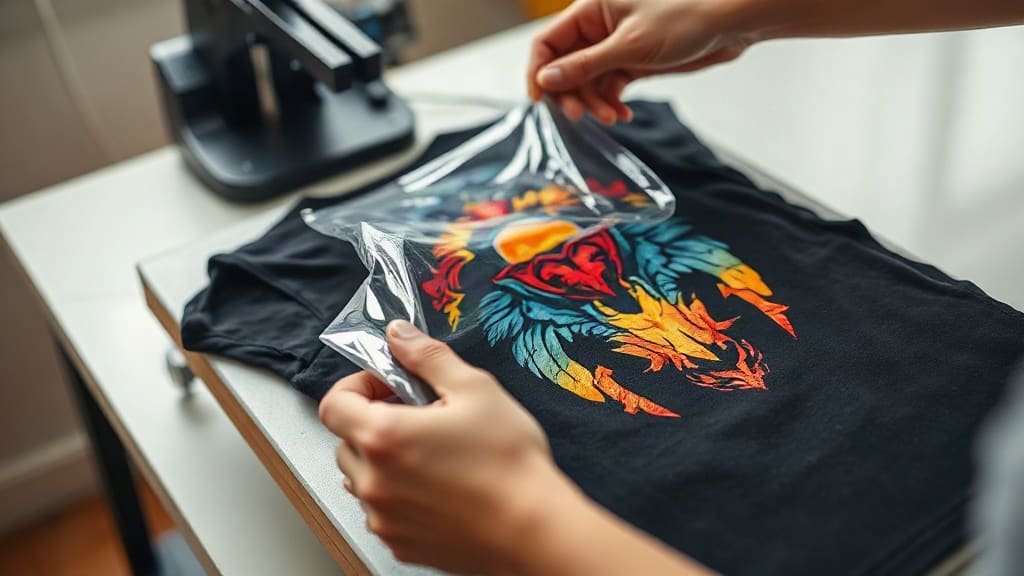
Learn how DTF transfers work, from design to application, and get pro tips for vibrant, durable results on any fabric.
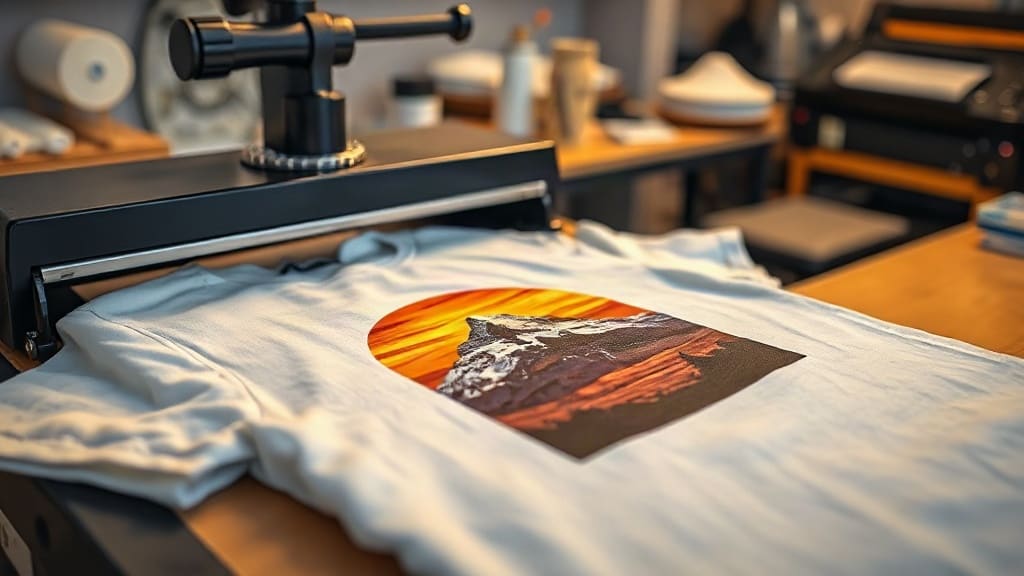
Discover how DTF transfers are revolutionizing custom apparel with vibrant colors, durable prints, and endless design possibilities. Learn the ins and outs of this game-changing technology.
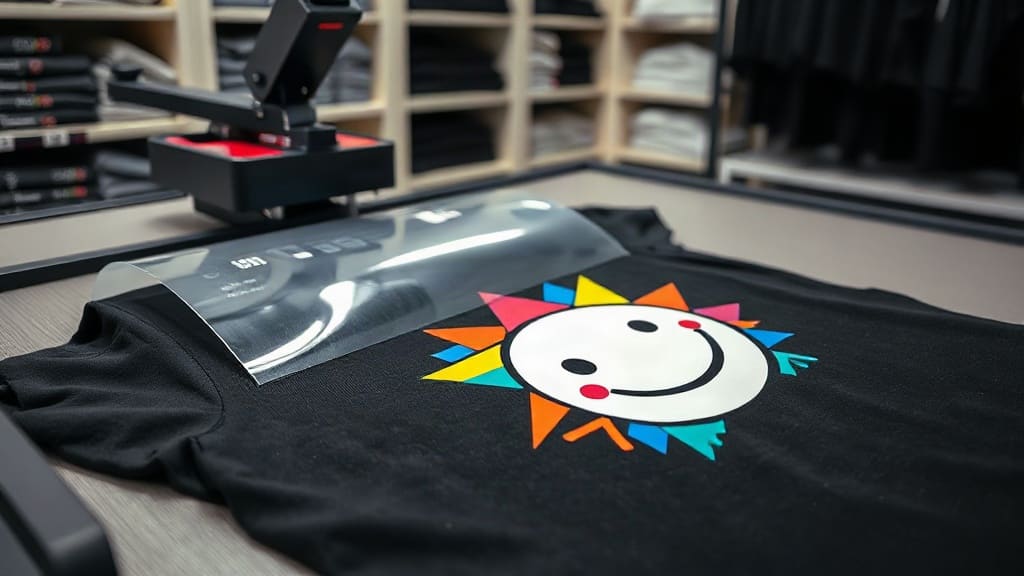
Looking for DTF transfers near me? Discover how to find reliable providers, what to look for, and how to get the best results for your custom printing projects.
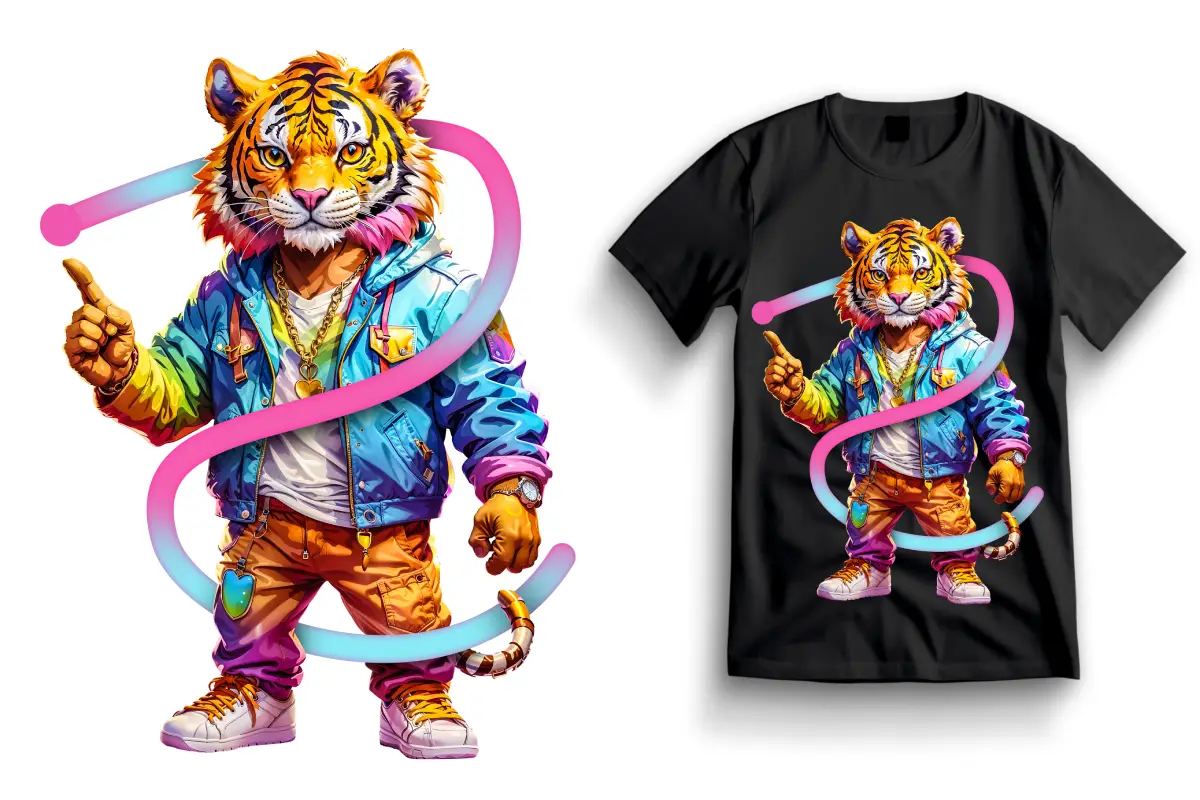
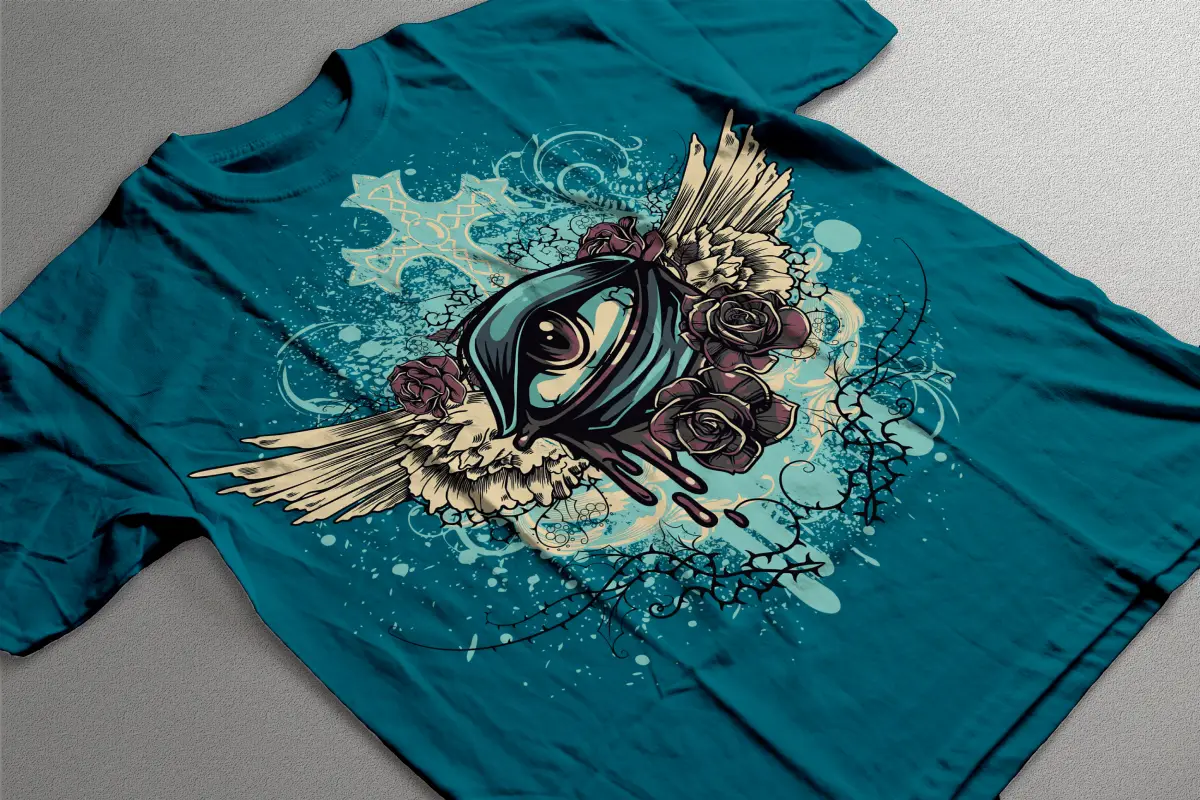
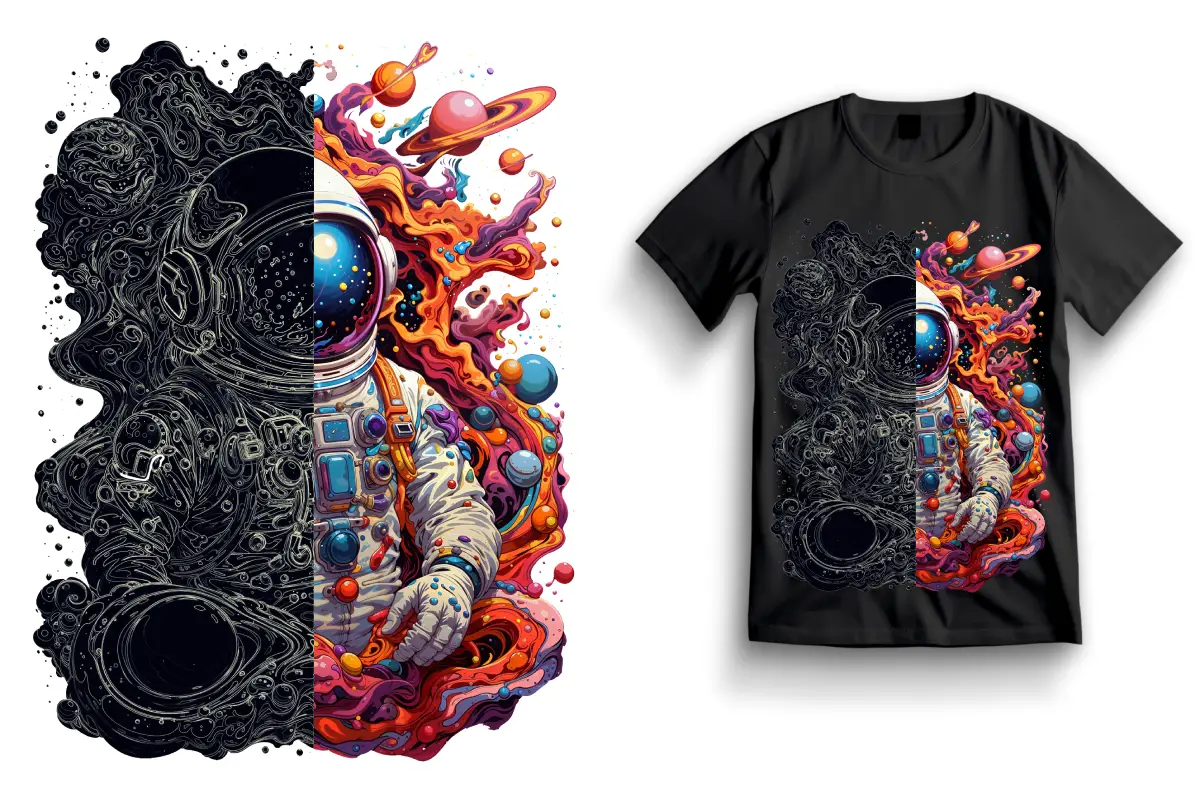
DTF transfers have emerged as a versatile solution for garment decoration, offering designers and print shops durability, flexibility, and creative potential.By embracing layering techniques DTF, designers can build depth by printing multiple transfers in sequence.
Advanced DTF Transfers Techniques open a world of creative possibilities for apparel and accessories, enabling designers to push color, texture, and finish beyond traditional printing, while maintaining durable performance.By integrating DTF foil transfers, designers can add eye-catching metallic accents that elevate a garment and captivate customers, whether the target look is premium streetwear, athletic wear, or luxe collectibles.
DIY DTF transfers have opened up a world of affordable, high-quality customization for clothing and fabric projects, giving hobbyists and small-time merch creators full control over design, color, and texture.Doing DTF transfers at home can save time and money while letting you manage every step, from artwork to the final garment.
DTF transfers have transformed how designers decorate apparel, delivering vibrant color, a soft hand feel, and durable finishes.For best results, follow practical guidelines like DTF printing tips and how to apply DTF transfers carefully.
DTF transfers on dark fabrics have transformed how designers and hobbyists approach custom apparel, turning bold ideas into durable, vivid prints even on black and charcoal backgrounds, and offering a practical, scalable alternative to traditional screen printing for anyone who craves saturated color and long-lasting wear, whether producing a single standout tee or an entire collection.Mastering DTF printing on dark fabrics requires careful control of the white underbase and subsequent color layers to achieve bright colors with DTF transfers that stay vibrant after repeated washes while preserving edge sharpness and true color reproduction across different garment types, a principle that is especially true for urban fashion, sportswear, and branding projects where consistency matters.
DTF transfers are transforming home fashion projects, delivering vibrant designs with durable color on a variety of fabrics.If you’re exploring DTF printing at home or diving into DIY garment printing, this guide helps you plan designs, select materials, and achieve professional results.
DTF transfers for custom tees and hoodies have transformed how makers, brands, and hobbyists approach apparel design.Digital-to-film transfer printing (DTF) enables full-color, photo-realistic designs to be applied to fabrics with excellent durability and a soft hand feel, and it's a key option for DTF printing on tees.
DTF transfers have transformed how designers and crafters apply vibrant imagery to textiles, making DTF printing a go-to option for many projects.As a cornerstone of the Direct-to-Film printing process, they yield bright colors, a soft hand feel, and durable results on cotton, blends, and polyester.
DTF transfers for logos offer brands and hobbyists a vibrant, durable way to apply logos across a wide range of fabrics, from cotton tees to performance blends, with consistent results.This technology—often marketed as DTF logo transfers—prints the design onto a special film, coats it with adhesive powder, and transfers it to textiles using heat and pressure, suitable for multi-color logos.
DTF transfers have transformed how designers bring bold, durable images to fabric, offering vibrant color and soft hand feel.However, even skilled printers encounter DTF transfer problems that can stall production and raise costs.
DTF transfers have transformed how designers approach fabric printing, delivering vibrant color, exceptional durability, and fast turnaround for fashion brands, startups, and makers.This guide shares DTF printing tips to maximize impact from concept to finished garment, with practical steps you can apply today.
DTF transfers technology has emerged as a versatile and increasingly popular method for decorating textiles.In practice, Direct-to-Film printing uses a transfer film and heat to bond vibrant designs to a wide range of fabrics.
DTF transfers have redefined how designers and garment makers approach custom graphics, delivering vibrant color, a soft hand feel, and durable finishes across fabrics.From concept to final product, mastering DTF printing and a well-planned DTF transfer design helps ensure consistent results across different garment types, inks, and substrates.
DTF Transfer Ideas are reshaping how creators approach apparel and accessories, unlocking bold color, durability, and versatility across a growing range of fabrics, from smooth cotton tees to rugged canvas totes.From DTF transfer on tees to DTF tote bag designs, this film-based method makes it feasible to scale ideas from a single shirt to a coordinated line of bags without sacrificing detail, even on textured fabrics or darker bases.
DTF heat press settings play a pivotal role in the quality and durability of your designs.Getting the balance right means considering DTF transfer temperature and DTF heat press time to produce vibrant, long-lasting results.
DTF transfers have reshaped how designers print apparel.From design to application, mastering DTF transfer design tips and knowing how to apply DTF transfers can dramatically boost color fidelity and edge quality.
DTF transfers have exploded in popularity among crafters, designers, and small print shops thanks to their versatility, strong adhesion, and relatively straightforward workflow that fits both hobby projects and small orders, while delivering durable, wash-fast finishes and a soft hand on cottons and blends.In this guide, we’ll walk you through DTF transfer steps, detailing the planning, printing, powdering, curing, and pressing stages so you can approach projects with confidence.
DTF transfers mistakes can derail a project before it starts, so investments in proper substrate prep and careful material selection are essential for reliable adhesion, color, and wash durability.Learn how to avoid errors with DTF transfers through practical tips, step-by-step testing, and documented workflows that help a shop maintain consistency across batches and reduce costly reprints.
DTF color reproduction sits at the heart of vibrant, durable transfers, shaping how designs translate from screen to fabric across a wide range of textiles and finishes.When you optimize the color pipeline for Direct To Film, you can deliver consistent hues across white and colored garments, accounting for substrate, ink behavior, and lighting conditions in production.
DTF transfers have transformed how brands, creators, and hobbyists approach garment printing, unlocking vibrant color and intricate detail that make tees and hoodies stand out.With direct-to-film printing merch, you can craft bold DTF tee designs and eye-catching DTF hoodie designs that stay crisp wash after wash.
DTF transfers for beginners open a practical, cost-effective path to custom apparel without the high barriers of other printing methods, letting you explore colors, fabrics, and design ideas from home.By starting with the right mindset and a straightforward workflow, you can skip complex setups and still achieve durable, vibrant designs.
DTF transfers materials form the backbone of modern garment decoration.In this introductory overview, we break down the core components such as DTF transfer film, DTF film, DTF ink, and DTF adhesive.
Eco-Friendly DTF Transfers are redefining how brands decorate fabrics by combining vibrant prints with responsible practices, offering a high-impact option that aligns creative ambition with environmental stewardship from concept to consumer, and ensuring sustainability is visible at every design decision, material choice, production step, and end-of-life consideration, while also meeting performance standards, quality controls, and brand storytelling goals across product categories, marketing materials, and retail packaging.By selecting a sustainable heat transfer film and optimizing heat press settings, designers can reduce waste, lower energy demand, and improve throughput without compromising the durability or brightness of the design, while also evaluating supplier lifecycle data, liner recyclability, and opportunities to reclaim or repurpose materials in the post-press workflow, all while coordinating with production scheduling, QA checks, and inventory planning, and ensuring alignment with design teams, sustainability officers, and supplier audits.
DTF Transfers for Beginners unlocks a straightforward path to decorating garments with bold, durable designs.If you're new to the world of fabric decoration, this guide blends clear explanations with practical tips found in a DTF transfers tutorial and a DTF printing guide.
DTF transfer mistakes can derail even the most carefully planned apparel project, turning vibrant designs into misaligned, washed-out, or uneven prints that frustrate customers and waste materials.This guide pairs practical checks with DTF transfer troubleshooting techniques to catch issues early and minimize downtime, covering design prep, printer settings, adhesive application, and heat-press calibration.
DTF transfer films have revolutionized garment printing, delivering vibrant color and durable transfers straight from a digital workflow, with consistent results across a wide range of fabrics and print types.For buyers evaluating options, understanding DTF film quality, thickness, and adhesive performance helps ensure reliable direct-to-film transfer results even when running high-volume jobs on dark and light substrates.
DTF transfers have reshaped textile printing, delivering a flexible, durable, and scalable option for hobbyists and small businesses alike.If you are curious about how designers move from digital ideas to wearable garments, this beginner-friendly guide to direct-to-fabric printing helps you grasp the basics and compare methods.
DTF transfers on dark fabrics redefine opacity, color fidelity, and fabric feel, turning challenging black and navy bases into canvases where sharp lines, true hues, and a surprisingly soft hand come together to create wearable graphics that withstand daily wear, remain visibly bright under indoor lighting, and perform consistently across different garment textures.For durable DTF printing for dark fabrics, achieving long-lasting results hinges on a well-tuned white underbase, accurate ink balance, and a controlled curing window that protects the bond from dulling, cracking, or delamination during repeated washes, while relying on robust powder adhesion and test prints to calibrate you for edge fidelity.
DTF transfers troubleshooting is a practical skill for anyone working with Direct-to-Film (DTF) transfers on apparel.While DTF offers vibrant color, soft hand feel, and strong durability, peeling is often tied to surface prep and moisture—common DTF transfer peeling causes that designers should watch.
DTF transfers vs heat press is a central decision-point for apparel brands, designers, and print shops seeking reliable methods to apply artwork to garments while balancing color depth, durability, production speed, color accuracy, and the potential for scalable on-demand operations in diverse market segments.Understanding how this choice aligns with direct-to-fabric printing capabilities helps you map workflow, equipment needs, and turnaround times across varied fabric types, from cotton blends to synthetics, while considering setup complexity, color management, workflow bottlenecks, and the implications for training staff.
Environmental and Safety Considerations for DTF transfers guide responsible textile decoration, balancing vibrant color, soft hand feel, and versatile fabric compatibility with the welfare of workers, regulatory compliance, and the broader goal of reducing environmental footprint from sourcing through end-of-life disposal, so shops can deliver high-quality prints while maintaining robust risk controls and a sustainable business model globally today.By following DTF transfer safety guidelines, teams establish guardrails for handling inks and resins, managing exposure risks through local exhaust ventilation and air monitoring, optimizing workflow layout to minimize cross-contamination, and training staff to recognize hazards before incidents occur, which in turn supports consistent print quality, reduces downtime, protects health, reinforces regulatory compliance, and fosters a safety-first culture that can adapt to new materials, processes, and evolving industry standards, and aligns with lean manufacturing principles to minimize waste without sacrificing safety.
DTF transfers on dark fabrics open bold opportunities for vibrant, durable designs on black, navy, charcoal, and other deep textiles.To maximize opacity, ensure clean whites underbases, strong adhesion, and crisp edges by focusing on material quality and calibrated color management.
DTF Transfers 2025 is driving a rapid evolution in on-demand apparel printing.From faster production to improved color fidelity, modern DTF printing delivers vibrant, durable transfers.
DTF transfers vs screen printing is a hot topic in apparel customization, pitting flexibility against longer-term costs, durability, color fidelity, scalability across different fabrics, and the ability to handle complex designs without expensive tooling.To evaluate the tradeoffs, many designers examine the DTF transfers pros and cons, noting quick setup for small runs, ease of experimentation, digital-to-fabric workflow, the ability to print intricate gradients, and compatibility with on-demand business models.
DTF transfers have emerged as a popular method for decorating garments and fabrics, offering versatility for hobby projects and small-label production.In this guide, you'll learn what it takes to produce durable prints, how DTF printing works, and when to choose this method for both personal projects and small businesses.
Common DTF transfer mistakes can undermine even well-planned projects, so spotting them early is essential.This guide highlights the most frequent issues and pairs them with actionable DTF printing tips to keep results consistent.
DTF transfers vs vinyl transfers is a common debate among designers, entrepreneurs, and hobbyists who are looking to apply vibrant graphics to garments and other textiles.Both approaches rely on heat-activated processes to apply graphics.
DTF transfers have transformed garment customization by delivering vibrant, durable graphics through a flexible workflow that blends design freedom with practical production steps.Whether you’re a professional printer or a serious hobbyist, mastering this method can yield pro-quality results that withstand wear, washing, and the test of time, even under demanding production schedules.