
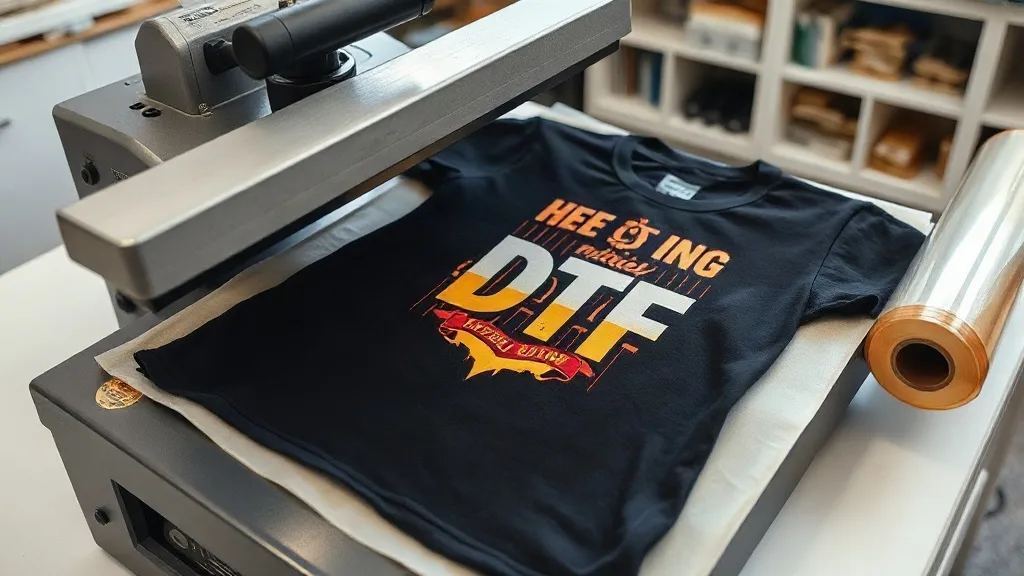
If you're in the custom apparel business or just love creating your own designs, you've probably heard about dtf printing. But what exactly are dtf transfers, and why are they taking the garment decoration world by storm? In this guide, I'll walk you through everything you need to know about DTF transfers, from the basics to pro tips, so you can achieve stunning, long-lasting results.
DTF stands for Direct to Film. It's a printing method where your design is printed onto a special film, coated with adhesive powder, and then heat-pressed onto fabric. Unlike DTG (Direct to Garment) or screen printing, DTF works on a wide range of materials, including cotton, polyester, blends, and even nylon. That versatility is a game-changer for small businesses and hobbyists alike.
What Are DTF Transfers?
DTF transfers are essentially a two-part system: a printed film and a heat-activated adhesive. The process starts with a digital printer that lays down CMYK inks plus white ink onto a PET film. The white ink acts as a base, allowing the colors to pop on dark fabrics. After printing, a fine layer of hot-melt adhesive powder is applied to the wet ink. Once the powder is shaken off and the film is cured, you have a ready-to-press transfer.
When you're ready to apply, you simply place the transfer on your garment and press it with a heat press. The adhesive melts, bonding the ink to the fabric. After peeling the film (hot or cold, depending on the adhesive), you're left with a vibrant, stretchable print that feels soft to the touch.
Why Choose DTF Transfers?
There are plenty of reasons why DTF has become a favorite among decorators. Here are the most compelling ones:
- Fabric versatility: Works on cotton, polyester, blends, leather, and more. No need for pre-treatment like with DTG.
- No color limitations: Full-color designs with gradients and fine details are easy to reproduce.
- Durability: When applied correctly, DTF prints withstand repeated washing without fading or cracking.
- Cost-effective for short runs: No setup fees or minimums, making it ideal for one-off items or small batches.
- Soft feel: The prints are thin and flexible, not stiff like some other methods.
If you're looking to offer custom apparel without investing in expensive equipment, DTF transfers are a smart choice. You can order transfers from a professional printer and apply them yourself with just a heat press.
How to Apply DTF Transfers: Step by Step
Applying DTF transfers is straightforward, but following the right steps ensures a professional finish. Here's what you need to do:
1. Prepare Your Workspace
Set up your heat press on a sturdy surface. Ensure it's clean and free of any debris. Preheat your press to the recommended temperature, usually between 325°F and 350°F (160°C to 175°C).
2. Preheat the Garment
Place your garment on the press and preheat for a few seconds to remove moisture and wrinkles. This helps the transfer adhere evenly.
3. Position the Transfer
Place the DTF transfer on the garment with the printed side facing up. If your transfer has a carrier film, make sure the adhesive side is against the fabric.
4. Press the Transfer
Cover with a protective sheet (like parchment paper) and press with medium pressure for 15-20 seconds. The exact time depends on your adhesive and fabric, so always check the instructions from your transfer supplier.
5. Peel the Film
After pressing, you can peel the film hot or cold. Most modern DTF transfers are cold-peel, meaning you wait a few seconds until it's warm to the touch, then peel smoothly. If you peel too hot, the design might stretch; too cold, and it might crack.
6. Post-Press for Durability
For extra durability, cover the printed area with parchment paper and press again for 5-10 seconds. This ensures the adhesive fully cures and the print becomes wash-resistant.
Common Mistakes to Avoid
Even though DTF is forgiving, some pitfalls can ruin your results. Watch out for these:
- Insufficient pressure: If the press doesn't apply enough pressure, the transfer won't adhere properly. Adjust your press and test.
- Wrong temperature: Too hot and the film might melt or the ink might scorch; too cold and the adhesive won't activate.
- Peeling at the wrong time: Always follow the peel recommendation (hot, cold, or warm) from your transfer provider.
- Not preheating the garment: Moisture can create steam and prevent proper adhesion.
- Using too much pressure on stretchy fabrics: This can cause the print to crack when stretched. Use medium pressure and test.
By avoiding these mistakes, you'll get consistent, professional-looking results every time.
DTF vs. Other Printing Methods
How does DTF stack up against DTG, screen printing, and vinyl? Here's a quick comparison:
- DTG: Best for 100% cotton, but requires pre-treatment and can be costly for small runs. DTF works on more fabrics and has no pre-treatment.
- Screen printing: Great for large orders, but setup costs are high and colors are limited. DTF excels at detailed, multi-color designs without setup fees.
- Heat transfer vinyl (HTV): Good for simple designs, but layering multiple colors is time-consuming. DTF allows full-color prints in one press.
For many businesses, DTF has become the go-to for its versatility and low barrier to entry.
Tips for Long-Lasting DTF Prints
To ensure your DTF transfers stand the test of time, follow these care tips:
- Wash garments inside out in cold water.
- Avoid fabric softeners and bleach.
- Tumble dry on low or hang dry.
- Iron on the reverse side or use a pressing cloth.
- Wait at least 24 hours after application before washing.
With proper care, your DTF prints can last as long as the garment itself.
Frequently Asked Questions
Can I use DTF transfers on dark shirts?
Absolutely. DTF transfers include a white ink base that makes colors vibrant on dark fabrics. You don't need to adjust your design for dark garments.
How do I store unused DTF transfers?
Keep them in a cool, dry place away from direct sunlight. Store them flat or rolled, not folded, to prevent creases. Properly stored transfers can last for months.
What heat press settings work best for DTF?
Most DTF transfers require 325°F to 350°F (160°C to 175°C) for 15-20 seconds with medium pressure. However, always check the specific instructions from your transfer supplier, as settings can vary.
Are DTF transfers safe for children's clothing?
Yes, when applied correctly, DTF transfers are safe for children's clothing. The inks are CPSIA compliant and free from harmful chemicals. Just ensure proper adhesion to avoid peeling.
Can I stretch DTF prints?
DTF prints are flexible and can stretch with the fabric to some degree. However, excessive stretching may cause cracking. For stretchy fabrics like spandex, use a lower pressure and consider a stretch additive in the adhesive.
DTF transfers have revolutionized custom apparel by making it accessible and affordable. Whether you're a seasoned pro or just starting out, mastering DTF can open up a world of creative possibilities. So grab your heat press, order some transfers, and start printing!