
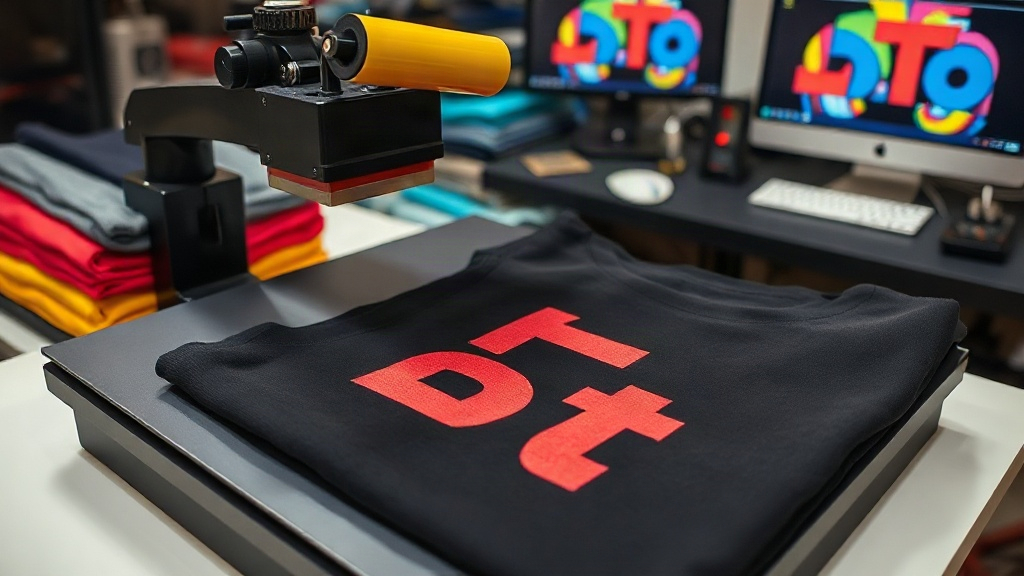
When you pull a fresh DTF transfers print off your heat press, the last thing you want is a cracked, faded design after a few washes. The difference between a print that lasts and one that peels often comes down to two things: the transfer itself and the blank you press it onto. If you're working with Shaka Wear or Smart Blanks, you already know these brands offer quality canvases for decoration. But not all DTF films behave the same on every fabric. This guide walks you through exactly how to pair DTF transfers with Shaka Wear and Smart Blanks for results that look professional and hold up over time.
Why DTF Transfers Are a Game-Changer for Custom Apparel
DTF, or direct-to-film, printing has exploded in popularity for good reason. Unlike vinyl or screen printing, DTF lets you produce full-color, highly detailed designs without weeding or color separation. The process involves printing your artwork onto a special film, coating it with adhesive powder, and then heat-pressing it onto a garment. The result is a soft, stretchy print that bonds well to cotton, polyester, and blends. For small shops and large operations alike, DTF offers flexibility that traditional methods can't match. You can print one-off designs or short runs without setup fees, and the color vibrancy is impressive. When you combine that with quality blanks like Shaka Wear and Smart Blanks, you get a finished product that feels premium and looks sharp.
Understanding Shaka Wear and Smart Blanks
Before diving into application techniques, let's look at what makes these two blank brands stand out. Shaka Wear is known for its heavyweight cotton tees, often 6.5 oz or heavier, with a boxy, streetwear-inspired fit. Their garments are popular for their durability and ability to hold shape after repeated wear. Smart Blanks, on the other hand, offers a wide range of styles from basic tees to hoodies, with a focus on softness and consistent sizing. Both brands cater to different niches, but they share one thing: they're excellent candidates for DTF transfers when you follow the right steps.
Fabric Composition and DTF Compatibility
The fabric blend of your blank plays a huge role in how well a DTF transfer adheres. Shaka Wear tees are typically 100% cotton, which is ideal for DTF. Cotton fibers allow the adhesive to penetrate and create a strong bond. Polyester blends, like some Smart Blanks styles, can also work, but you'll need to adjust your press settings. Polyester requires lower temperatures to avoid scorching or dye migration. Dye migration is when the garment's dye sublimates into the transfer adhesive, causing discoloration. If you're pressing onto a brightly colored polyester Smart Blanks hoodie, use a low-temperature DTF film or a barrier layer to prevent this. Always test a small area first.
Weave and Texture Considerations
The weave of the fabric affects how the transfer sits on the surface. Shaka Wear heavyweight tees have a tight knit, which provides a smooth canvas for detailed prints. Smart Blanks ringspun cotton tees are softer and may have a slightly looser weave, but they still accept DTF well. For best results, pre-press the garment for a few seconds to remove moisture and wrinkles. This step is crucial for both brands. Skipping it can lead to uneven adhesion and a bumpy finish.
Step-by-Step DTF Application on Shaka Wear and Smart Blanks
Now let's get into the nitty-gritty of applying DTF transfers to these blanks. The process is similar across both brands, but minor tweaks can make a big difference.
1. Pre-Press the Garment
Set your heat press to 300°F (150°C) for cotton or 280°F (138°C) for polyester blends. Pre-press for 5-7 seconds to remove moisture and relax the fabric. This is especially important for Shaka Wear heavyweight tees, which can hold more moisture than lighter fabrics. For Smart Blanks, a quick pre-press ensures a smooth surface.
2. Position the DTF Transfer
Place the transfer with the printed side up (adhesive side down) onto the garment. Use heat-resistant tape to secure it if needed. Make sure the design is exactly where you want it. DTF transfers are opaque, so you can't see through them, but they're easy to reposition before pressing.
3. Press with Medium Pressure
Apply medium to firm pressure. Too little pressure and the adhesive won't bond; too much and the print may spread. For Shaka Wear, press at 300°F for 15-20 seconds. For Smart Blanks polyester, reduce to 280°F and press for 10-15 seconds. Always follow the transfer manufacturer's recommendations, as film types vary.
4. Peel and Finish
Let the transfer cool completely before peeling. This is known as a cold peel. If you peel while hot, the design may stretch or leave adhesive residue. Once peeled, press again for 5-10 seconds with a cover sheet to fully set the print. This final press improves wash durability.
Common Pitfalls and How to Avoid Them
Even experienced decorators run into issues. Here are some common problems when using DTF transfers on Shaka Wear and Smart Blanks, and how to fix them.
- Peeling after wash: Usually caused by insufficient pressure or too short a press time. Increase pressure and time slightly. Also ensure the garment is completely dry before pressing.
- Cracking: Often happens if the transfer is stretched during peeling. Always cold peel and handle gently.
- Dye migration: Common on polyester Smart Blanks. Use a low-temperature film or a poly blocker spray.
- Dull colors: May be due to overheating. Check your temperature with an infrared thermometer.
Maximizing Durability and Washability
To get the longest life from your DTF-printed garments, follow these care instructions and pass them on to your customers. Wash inside out in cold water. Avoid fabric softener, which can break down the adhesive. Tumble dry low or hang dry. Never iron directly on the print. With proper care, DTF transfers on Shaka Wear and Smart Blanks can last 50+ washes without significant fading or cracking. For heavy-use items like workwear or athletic gear, consider a slightly thicker transfer or a reinforced adhesive.
Choosing the Right Transfer for Your Blank
Not all DTF films are created equal. Some are designed for cotton, others for polyester, and some for blends. When ordering transfers, check the specs. For Shaka Wear 100% cotton, a standard DTF film works great. For Smart Blanks 50/50 blends, look for a film that specifies compatibility with blends. Also consider the finish: matte, gloss, or soft-touch. Soft-touch films feel almost like screen print and are popular for retail-quality apparel.
Frequently Asked Questions
Can I use DTF transfers on Shaka Wear hoodies?
Absolutely. Shaka Wear hoodies are typically cotton or cotton-poly blends, which accept DTF well. Just pre-press to remove moisture from the thicker fabric and use a slightly longer press time. For best results, press at 300°F for 20 seconds with medium-firm pressure.
Do Smart Blanks require special DTF film?
Not necessarily, but if you're working with a polyester-rich Smart Blanks style, choose a low-temperature DTF film to avoid dye migration. For 100% cotton Smart Blanks, standard DTF film works perfectly.
How do I prevent DTF transfers from cracking on stretchy fabrics?
Stretchy fabrics like those in some Smart Blanks performance wear can cause cracking if the print is too thick. Use a thinner DTF film and ensure you cold peel. Also, avoid over-stretching the garment when wearing or washing.
What's the best way to store DTF transfers before use?
Keep them in a cool, dry place away from direct sunlight. Humidity can cause the adhesive powder to clump. Store flat or rolled, not folded, to prevent creases that can transfer to the print.
Can I layer DTF transfers with other decorations?
Yes, DTF can be layered over or under screen print, embroidery, or vinyl, but it's tricky. For best results, apply DTF last and use a lower temperature to avoid disturbing the underlying decoration.
With the right technique and a bit of practice, DTF transfers on Shaka Wear and Smart Blanks can elevate your custom apparel to professional levels. Remember to test, adjust, and always follow the manufacturer's guidelines. Your customers will notice the difference.