
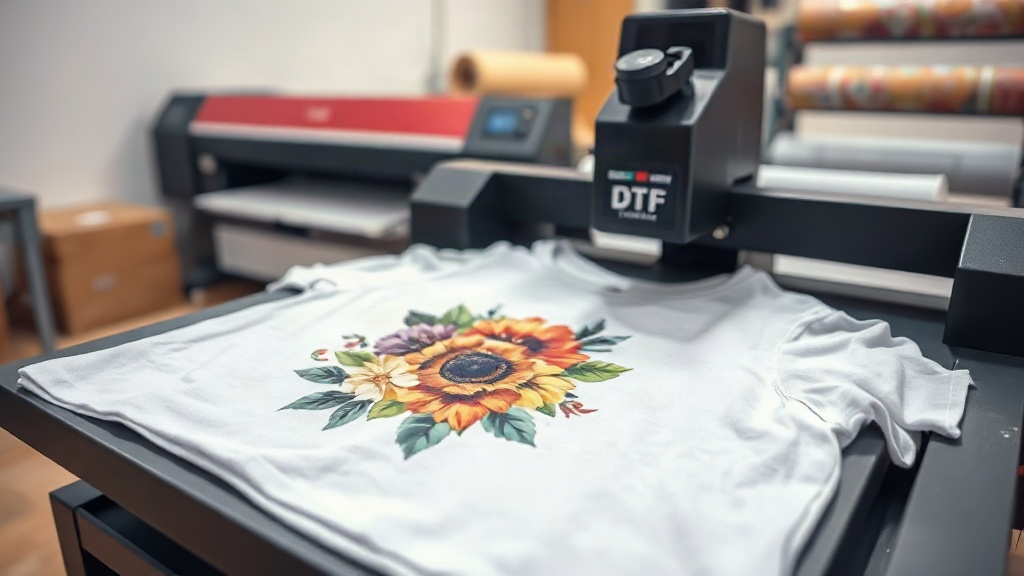
If you've been exploring custom apparel printing, you've likely heard about DTF Transfers. This innovative technology is changing how professionals and hobbyists approach fabric printing. Unlike traditional methods, DTF transfers offer a versatile, cost-effective solution that works on a wide range of materials. In this guide, we'll walk you through everything you need to know to get started and achieve professional results.
What Are DTF Transfers?
DTF stands for Direct to Film. It's a printing method where your design is printed onto a special film, coated with a powder adhesive, and then heat-pressed onto fabric. The process involves a DTF printer, which uses pigment-based inks to print the design onto a PET film. After printing, a hot melt powder is applied to the wet ink, and the film is cured. The resulting transfer can be stored and later applied to garments using a heat press.
This method has gained popularity because it eliminates the need for weeding and layering, common in vinyl cutting. It also allows for full-color, intricate designs without the color limitations of screen printing. Whether you're printing a single shirt or a batch, DTF Transfers deliver consistent, high-quality results.
Why Choose DTF Transfers?
There are several compelling reasons to consider DTF transfers for your printing projects. Let's explore the key benefits.
Versatility Across Fabrics
One of the biggest advantages of DTF transfers is their ability to adhere to a wide variety of fabrics. You can apply them to cotton, polyester, blends, and even leather. This versatility means you don't need to stock different types of transfer materials for different garments. For example, you can use the same DTF transfer on a 100% cotton t-shirt and a 50/50 blend hoodie, achieving similar results. This flexibility is a game-changer for small businesses that offer diverse product lines.
Vibrant, Detailed Prints
DTF transfers produce vibrant, high-resolution prints with fine details. The pigment inks used in DTF printing are known for their color intensity and durability. Unlike heat transfer vinyl (HTV), which requires layering for multi-color designs, DTF allows you to print complex, multi-colored images in a single pass. This means gradients, photographs, and intricate patterns are all possible without losing quality. The prints also have a soft feel, as the transfer material is thin and flexible.
Cost-Effective for Small Runs
For small to medium-sized orders, DTF transfers are more cost-effective than screen printing. Screen printing requires separate screens for each color, which adds setup costs and time. With DTF, you only need one film per design, regardless of the number of colors. This makes it ideal for short runs, personalized items, and on-demand printing. You can produce one-off designs without breaking the bank.
Durability and Washability
When applied correctly, DTF transfers are highly durable. They resist cracking, peeling, and fading, even after multiple washes. The hot melt powder creates a strong bond with the fabric, ensuring the print stays put. Proper care, such as washing inside out and avoiding harsh chemicals, can extend the life of the print. Many users report that DTF prints outlast other transfer methods.
How to Apply DTF Transfers
Applying DTF transfers is straightforward, but following the right steps ensures optimal results. Here's a step-by-step guide.
Step 1: Prepare Your Workspace
Set up your heat press in a well-ventilated area. Ensure the press is stable and the platen is clean. Preheat the press to the recommended temperature, typically around 325°F (160°C). While the press heats up, organize your transfers and garments.
Step 2: Position the Transfer
Place your garment on the heat press platen, smoothing out any wrinkles. Position the DTF transfer with the printed side facing up. If you're using a transfer with a carrier film, the design should be on top. Use heat-resistant tape to secure the transfer if needed, especially for small pieces.
Step 3: Apply Heat and Pressure
Close the heat press and apply medium to firm pressure for 10-15 seconds. The exact time may vary depending on your press and the transfer manufacturer's instructions. After pressing, open the press and let the transfer cool for a few seconds.
Step 4: Peel the Film
Once the transfer has cooled slightly, peel off the carrier film. You can do this either hot peel or cold peel, depending on the film type. Most DTF transfers are cold peel, meaning you wait until the transfer is completely cool before peeling. Peel slowly and at a low angle to avoid lifting the design.
Step 5: Post-Press for Durability
For added durability, cover the design with a Teflon sheet or parchment paper and press again for 5-10 seconds. This ensures the adhesive fully bonds with the fabric. Your garment is now ready to wear or sell.
Common Mistakes to Avoid
Even with a simple process, some pitfalls can affect your results. Here are a few common mistakes and how to avoid them.
- Insufficient pressure: If the pressure is too low, the transfer may not adhere properly, leading to peeling. Adjust your press to medium-firm pressure.
- Wrong temperature: Too hot and the film may melt or the ink may scorch; too cold and the adhesive won't activate. Always follow the recommended settings.
- Peeling too early: Peeling a cold-peel transfer while it's still warm can cause the design to stretch or tear. Wait until it's cool.
- Not pre-pressing the garment: Pre-pressing removes moisture and wrinkles, ensuring a smooth application. Always pre-press for 5-10 seconds before applying the transfer.
DTF Transfers vs. Other Printing Methods
How do DTF transfers stack up against other popular methods like screen printing, DTG, and HTV? Let's compare.
DTF vs. Screen Printing
Screen printing is excellent for large orders with few colors, offering low cost per unit. However, it requires setup and is not cost-effective for small runs. DTF transfers have no setup costs and handle complex designs easily, making them better for short runs and detailed artwork.
DTF vs. DTG
Direct-to-garment (DTG) printing is great for cotton fabrics but struggles with polyester and blends. DTF works on almost any fabric and produces more vibrant colors on dark garments. DTG also requires pre-treatment, adding a step. DTF is simpler and more versatile.
DTF vs. HTV
Heat transfer vinyl is ideal for simple, single-color designs and names. It requires weeding, which is time-consuming for intricate designs. DTF eliminates weeding and allows full-color prints in one step. For complex, multi-color designs, DTF is the clear winner.
Tips for Best Results
To get the most out of your DTF transfers, keep these tips in mind.
- Store transfers properly: Keep unused transfers in a cool, dry place away from direct sunlight. Moisture can affect the adhesive.
- Test on scrap fabric: Before pressing onto a final garment, test on a similar fabric to dial in your press settings.
- Use a quality heat press: A reliable press with consistent temperature and pressure is key. Cheap presses can lead to uneven results.
- Follow manufacturer instructions: Different films may have specific requirements. Always read the instructions provided with your transfers.
Frequently Asked Questions
Can I use DTF transfers on dark colors?
Yes, DTF transfers work beautifully on dark fabrics. The white ink layer in the transfer provides a base that makes colors pop. Just ensure your design has a white underbase if needed.
How do I wash garments with DTF transfers?
Turn the garment inside out and wash in cold water with mild detergent. Avoid bleach and fabric softeners. Tumble dry on low or hang dry. Proper care will keep the print looking new for years.
Do I need a special printer for DTF?
Yes, DTF requires a dedicated DTF printer that uses pigment inks and can handle PET film. However, you can also buy pre-printed transfers from suppliers if you don't want to invest in a printer.
What is the lifespan of a DTF transfer?
With proper application and care, DTF transfers can last as long as the garment. They are resistant to cracking and fading, often outlasting other print methods.
Can I layer DTF transfers?
Layering is possible but not recommended as it can make the print thick and affect durability. DTF allows full-color designs without layering, so it's best to print the entire design as one transfer.
DTF transfers are a powerful tool for anyone in the custom apparel industry. Whether you're a beginner or a seasoned pro, understanding this technology can expand your creative possibilities and streamline your production. With the right techniques and a bit of practice, you'll be producing professional-grade prints in no time.