
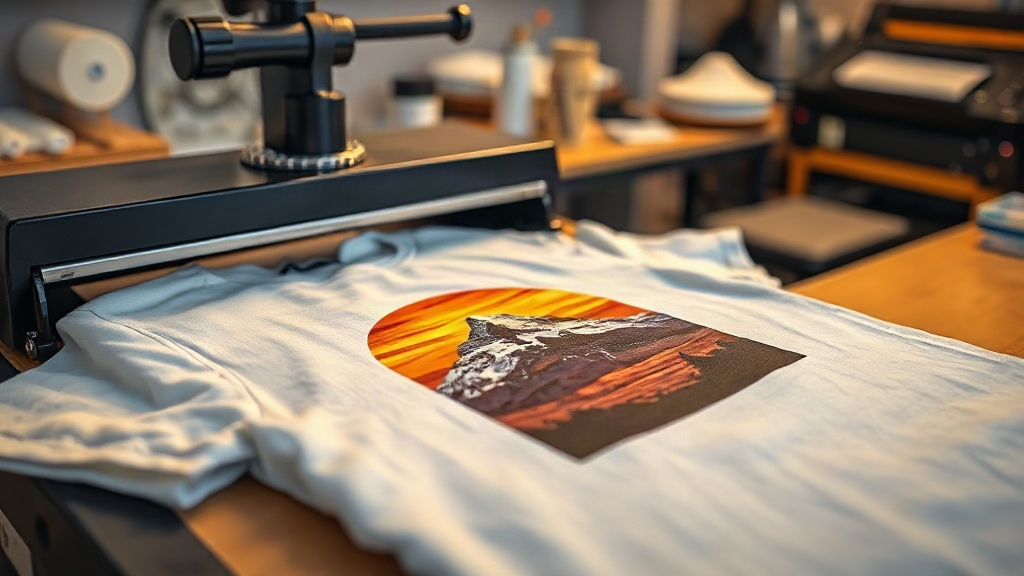
Imagine pressing a button and watching a vivid, full-color design materialize onto a t-shirt in minutes. That's the magic of DTF Transfers. Whether you're a small business owner, a hobbyist, or a professional printer, understanding DTF technology can elevate your custom apparel game. In this guide, we'll dive deep into what DTF transfers are, how they work, and why they've become a go-to solution for creators worldwide.
What Are DTF Transfers?
DTF stands for Direct-to-Film. It's a printing method where your design is printed onto a special film, coated with a adhesive powder, and then heat-pressed onto fabric. Unlike DTG (Direct-to-Garment) or screen printing, DTF transfers don't require pretreating the garment or using specialized inks for different fabrics. This versatility makes them a favorite for printing on cotton, polyester, blends, and even tough materials like canvas and denim.
How DTF Transfers Work: Step by Step
Let's break down the process so you can replicate it in your own shop.
1. Design Preparation
Start with a high-resolution image. DTF printers can handle intricate details, gradients, and photographs, so don't shy away from complexity. Just ensure your file is in CMYK color mode and at least 300 DPI for crisp output.
2. Printing the Transfer
Your DTF printer prints the design onto a PET film using special DTF inks. The printer lays down a white ink layer first (for opacity) followed by the color layers. This white base is what allows the design to show up brilliantly on dark garments.
3. Powder Application
While the ink is still wet, the film passes through a powder shaker that coats it with a thermoplastic adhesive powder. Excess powder is removed, and the film goes through a curing oven to melt the powder into a smooth, dry layer.
4. Heat Pressing
Now the fun part: transferring. Set your heat press to around 160°C (320°F) with medium pressure. Place the transfer on your garment, press for 10-15 seconds, then peel the film off while it's still hot (or cold, depending on the film type). The result? A vibrant, stretchable print that feels soft to the touch.
Why Choose DTF Transfers Over Other Methods?
If you're still on the fence, here are compelling reasons to make the switch.
- No Weeding or Cutting: Unlike vinyl, DTF transfers come ready to press. No tedious weeding means faster turnaround.
- Works on Almost Any Fabric: Cotton, polyester, blends, leather, canvas—you name it. DTF adheres beautifully without cracking or fading.
- Unlimited Colors: Because DTF uses CMYK+White inks, you can print photorealistic images with millions of colors. No color limitations like screen printing.
- Durability: When applied correctly, DTF prints withstand 50+ washes without peeling or fading. They stretch with the fabric, making them ideal for activewear.
- Cost-Effective for Short Runs: No setup fees or minimums. Print one or one hundred—the cost per transfer remains low.
Common Applications of DTF Transfers
DTF transfers are incredibly versatile. Here are some popular uses:
- Custom t-shirts for events, teams, and businesses
- Personalized hoodies and sweatshirts
- Branded tote bags and backpacks
- Sports jerseys with names and numbers
- Denim jackets with intricate designs
- Promotional items like mousepads and aprons
Tips for Perfect DTF Transfers
Even though DTF is forgiving, following best practices ensures professional results.
Choose the Right Film
Not all DTF films are created equal. Look for films that match your printer and desired finish (matte or glossy). Double-sided films can reduce powder usage and improve hand feel.
Control Your Environment
Humidity and temperature affect powder adhesion. Keep your workspace between 20-25°C (68-77°F) and humidity below 60%. Store film and powder in sealed containers.
Master Your Heat Press
Invest in a good heat press with accurate temperature and pressure control. Always test with a scrap garment to dial in settings. Too much pressure can cause the design to spread; too little leads to poor adhesion.
Peel at the Right Temperature
Most DTF transfers are hot-peel, but some are cold-peel. Check your film's instructions. Hot-peel gives a slightly glossier finish, while cold-peel can feel softer.
Wash and Care
Instruct your customers to wait 24 hours before washing, turn garments inside out, and use cold water. Avoid fabric softeners and direct ironing on the print.
DTF vs. DTG vs. Screen Printing: A Quick Comparison
How does DTF stack up against other decoration methods?
- DTF vs. DTG: DTG requires pretreating and works best on 100% cotton. DTF works on more fabrics and often has better durability on polyester.
- DTF vs. Screen Printing: Screen printing is cheaper for large orders of simple designs but requires setup and can't handle complex gradients easily. DTF excels at detailed, multi-color designs with no minimums.
- DTF vs. Vinyl: Vinyl is limited to single colors and requires weeding. DTF offers full-color, photographic prints without the labor.
Getting Started with DTF Transfers
Ready to jump in? Here's what you'll need:
- A DTF printer (or a supplier who can print transfers for you)
- DTF film and powder
- A heat press
- Design software (Photoshop, Illustrator, or free alternatives like GIMP)
- Blank apparel
If you're not ready to invest in a printer, many companies sell pre-printed DTF transfers. You can order custom transfers and press them yourself. This is a great way to test the waters.
Frequently Asked Questions
How long do DTF transfers last?
With proper application and care, DTF transfers can last as long as the garment itself. Expect 50+ washes without significant fading or cracking.
Can I use DTF transfers on dark shirts?
Absolutely. The white ink layer in DTF transfers ensures vibrant colors on both light and dark fabrics.
Do I need a special printer for DTF?
Yes, DTF requires a printer designed for DTF inks and film. However, you can also buy pre-made transfers from suppliers.
What's the best temperature for pressing DTF transfers?
Most DTF transfers press at 160°C (320°F) for 10-15 seconds. Always follow the film manufacturer's recommendations.
Can DTF transfers be stretched?
Yes, DTF prints are elastic and stretch with the fabric, making them perfect for sportswear and fitted garments.
DTF transfers have opened up a world of possibilities for custom apparel. With their ease of use, durability, and stunning color reproduction, it's no wonder they're taking the industry by storm. Whether you're a seasoned pro or just starting, incorporating DTF into your workflow can set your creations apart.