
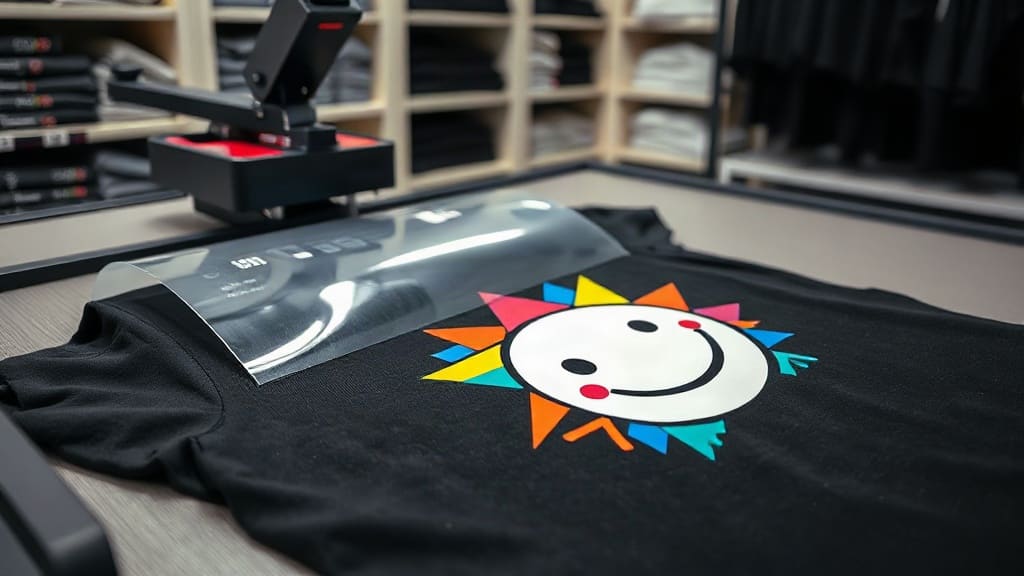
If you've been searching for DTF printing solutions, you've likely come across the term DTF transfers. But what exactly are they, and how do you find the best DTF transfers near me? Whether you're a small business owner, a hobbyist, or someone looking to create custom apparel, understanding this technology can save you time and money. In this guide, we'll break down everything you need to know about DTF transfers, from how they work to where to find them locally.
What Are DTF Transfers?
DTF stands for Direct to Film. It's a printing method where a design is printed onto a special film, coated with adhesive powder, and then heat-pressed onto fabric. Unlike traditional screen printing, DTF allows for high-detail, full-color designs without the need for screens. The result is a soft, durable print that works on a variety of materials, including cotton, polyester, and blends.
How DTF Transfers Work
The process starts with a digital design. A specialized printer prints the design in reverse onto a PET film. After printing, a hot-melt adhesive powder is applied to the wet ink. The film is then cured, which melts the powder and creates a strong bond. When you're ready to apply, you place the film on your garment and apply heat and pressure with a heat press. The design transfers from the film to the fabric, leaving a vibrant, stretchable print.
Why Choose DTF Transfers?
There are several reasons why DTF has become a go-to method for custom printing. First, it's incredibly versatile. You can print on almost any fabric, including those tricky polyester blends that often cause issues with other methods. Second, the prints are highly detailed and can include gradients, shadows, and even white ink. Third, DTF transfers are cost-effective for small runs, making them perfect for custom orders, small businesses, or personal projects.
Advantages Over Other Methods
When compared to screen printing, DTF offers faster turnaround times because there's no setup of screens. For sublimation, DTF works on darker garments without needing a white base layer. And unlike vinyl, DTF can produce photographic images without layering multiple pieces. This makes DTF an excellent choice for anyone looking to offer high-quality custom apparel without a huge investment.
How to Find Reliable DTF Transfers Near Me
When you search for DTF transfers near me, you'll likely see a mix of local print shops and online services. But how do you choose? Here are some factors to consider.
Check Quality and Samples
Before committing to a provider, ask for samples or look at their portfolio. A reputable shop will be happy to show you their work. Look for sharp details, vibrant colors, and clean edges. If possible, order a small test run to see how the transfer feels after washing. Quality matters, especially if you're selling these products to your own customers.
Compare Pricing
Pricing structures vary. Some shops charge per transfer, while others have minimum orders. For small quantities, you might pay more per piece, but that's often still cheaper than other methods. Be wary of prices that seem too good to be true; they might indicate low-quality inks or films.
Read Reviews and Ask Around
Online reviews can give you insight into a company's reliability. Look for comments about print quality, turnaround time, and customer service. If you have local business groups, ask for recommendations. Word of mouth is powerful in the printing industry.
What to Look for in a DTF Transfer Provider
Once you've narrowed down your options, there are specific things to look for to ensure you get the best results.
In-House Production
Providers that produce transfers in-house have more control over quality and faster turnaround times. They can also troubleshoot issues quickly. Avoid middlemen who outsource, as this can lead to longer wait times and inconsistencies.
Printing Technology
Ask about their printers and inks. High-quality printers and ink ensure better color accuracy and durability. Some shops use CMYK plus white, which is essential for printing on dark fabrics. The adhesive powder used is also crucial; it should be strong enough to withstand multiple washes.
Support and Expertise
A good provider will offer guidance on file preparation, sizing, and application. They should also provide detailed instructions for heat pressing, including temperature, pressure, and time settings. If they're not willing to help, consider it a red flag.
Applications of DTF Transfers
DTF transfers are incredibly versatile. Here are some common uses:
- Custom t-shirts and hoodies
- Tote bags and hats
- Work uniforms and team wear
- Promotional products
- Personal gifts and party favors
Because DTF works well on various materials, you can expand your product line without investing in new equipment. For instance, if you already sell t-shirts, you can easily add hoodies, aprons, or even canvas shoes.
DTF vs. Other Transfer Methods
To make an informed choice, it helps to compare DTF with other popular methods.
- Heat Transfer Vinyl (HTV): HTV is great for simple designs with few colors. It's not ideal for full-color images. DTF can replicate complex artwork with ease.
- Sublimation: Sublimation works only on polyester or light-colored fabrics. DTF works on dark cotton and blends.
- Screen Printing: For large orders, screen printing is cost-effective. However, DTF offers lower setup costs for small batches and allows for easy customization.
Costs and Turnaround Times
The cost of DTF transfers depends on size, quantity, and complexity. Typically, you can expect to pay a few dollars per transfer for small to medium designs. Many shops offer discounts for larger orders. Turnaround times can range from 24 hours to a week, depending on the provider and your location.
How to Get the Best Price
If you're on a budget, consider combining multiple designs in one order to reduce per-piece costs. Also, ask about shipping fees if you're ordering online. Sometimes, local pickup can save you money.
Tips for Applying DTF Transfers
Proper application is key to achieving a durable, professional-looking print. Here are some tips:
- Pre-press your garment for 2-3 seconds to remove moisture and wrinkles.
- Place the transfer with the film side up on the garment.
- Use even pressure and apply heat according to the manufacturer's instructions. Typically, it's around 320°F for 10-15 seconds.
- Peel the film hot or cold, depending on the transfer. Some films require hot peeling, while others need to cool first.
- Press again with a protective sheet for a few seconds to ensure the adhesive is fully cured.
Common Mistakes to Avoid
Even with high-quality transfers, mistakes can happen. Here are some pitfalls to avoid:
- Using the wrong heat settings: Too low and the transfer won't stick; too high and you'll damage the fabric.
- Not pre-pressing: This can lead to poor adhesion and bubbles.
- Peeling too early: Some films need to cool before peeling to ensure the design stays intact.
- Washing too soon: Wait at least 24 hours before washing to allow the adhesive to fully set.
Finding Local DTF Transfer Services
To find DTF transfers near me, start with a simple online search. You can also check local business directories or social media platforms. Many print shops now offer DTF services, even if they didn't before. Don't hesitate to call and ask if they provide DTF transfers; sometimes they don't advertise it prominently.
Questions to Ask Before Ordering
When you contact a provider, ask these questions:
- What is your minimum order?
- Do you provide samples?
- What file formats do you accept?
- What is your turnaround time?
- Do you offer discounts for bulk orders?
Getting clear answers will help you avoid surprises later.
Case Studies: How Businesses Use DTF Transfers
Consider a small boutique that sells custom t-shirts. They used to rely on screen printing, but they often had to order large quantities to make it cost-effective. Switching to DTF transfers allowed them to print just a few shirts at a time, experimenting with designs without financial risk. Another example is an online seller who offers personalized pet portraits. With DTF, they can produce photo-quality prints on demand, keeping inventory low and customer satisfaction high.
Environmental Considerations
If sustainability is important to you, ask about the provider's practices. Some DTF films and inks are more eco-friendly than others. Look for companies that use water-based inks or recycle their film waste. While DTF is not perfect, the industry is making strides toward greener options.
Conclusion
Finding the right DTF transfers near me doesn't have to be a challenge. By understanding what DTF is, what to look for in a provider, and how to apply the transfers correctly, you can produce stunning custom apparel that rivals professional printing. Whether you're starting a business or just looking to create unique gifts, DTF offers a flexible, high-quality solution. Take the time to research, ask questions, and test samples. Your efforts will pay off in the form of durable, vibrant prints that delight your customers and make your projects stand out.
Frequently Asked Questions
How long do DTF transfers last?
With proper application and care, DTF transfers can last for many washes. The print should not crack or fade significantly if you follow the recommended washing instructions, such as turning the garment inside out and using cold water. High-quality transfers can withstand 50 or more washes without losing their vibrancy.
Can I use DTF transfers on any fabric?
Yes, DTF transfers work on a wide range of fabrics, including cotton, polyester, nylon, and blends. They are especially great for dark or colored fabrics because the white ink acts as a base. However, the fabric must be able to withstand the heat and pressure of the heat press, so materials like leather or very delicate synthetics may not be suitable.
What is the minimum order for DTF transfers?
Minimum order requirements vary by provider. Some shops allow you to order a single transfer, while others require at least 10 or 20 pieces. If you're just starting out, look for providers that offer low minimums or even sample packs. This allows you to test the waters without a large upfront investment.
How do I prepare my design for DTF printing?
Your design should be a high-resolution image, preferably in PNG or PDF format with a transparent background. The recommended resolution is at least 300 DPI to ensure crisp details. Most providers will handle the color separation and white layer for you, but it's helpful to provide a mockup of how you want the final print to look.
Can I wash DTF printed garments in a washing machine?
Yes, you can wash DTF printed garments in a washing machine. To prolong the life of the print, turn the garment inside out, use cold water, and avoid using bleach or fabric softeners. Tumble dry on low or hang to dry. Avoid ironing directly on the print; if needed, iron on the reverse side.