
Most people meet dtf transfers the same way: they order a few custom shirts, peel the film back, and either get a soft, stretchy print that survives countless washes or a cracked mess that fails by the third cycle. The difference rarely comes down to luck. It comes down to a handful of decisions made long before the heat press closes, from film choice and powder application to how the transfer was stored and pressed.
This guide is for the person who wants to understand what is actually happening inside a dtf print, not just follow a tutorial blindly. We will walk through the process, the failure points, and the practical habits that separate a shop with repeat customers from one that keeps reprinting orders for free.
What Actually Happens Inside a DTF Transfer
Direct-to-film printing flips the usual garment printing logic. Instead of putting ink directly on fabric, you print a mirror image onto a coated PET film, dust it with a thermoplastic adhesive powder while the ink is still wet, then cure the powder until it melts into a flexible layer. What you end up with is a thin sandwich: a printed ink layer bonded to a hot-melt adhesive that will later fuse to the garment.
That structure explains most of DTF's strengths. The adhesive layer is what grips the fabric, so the ink never has to soak in or chemically bind to cotton, polyester, or a blend. You can press the same transfer onto a 100 percent cotton tee, a nylon jacket, or a canvas tote and get comparable results. Try that with screen printing and you will be mixing different inks and catalysts for each substrate.
Why the Powder Step Matters More Than People Think
The adhesive powder is the quiet hero of the whole process. Apply too little and the transfer will feel soft but lift at the edges after a few washes. Apply too much and you get a stiff, plastic-like hand feel with a visible crust around the artwork. The sweet spot is a thin, even coating with no bare wet patches and no visible clumps.
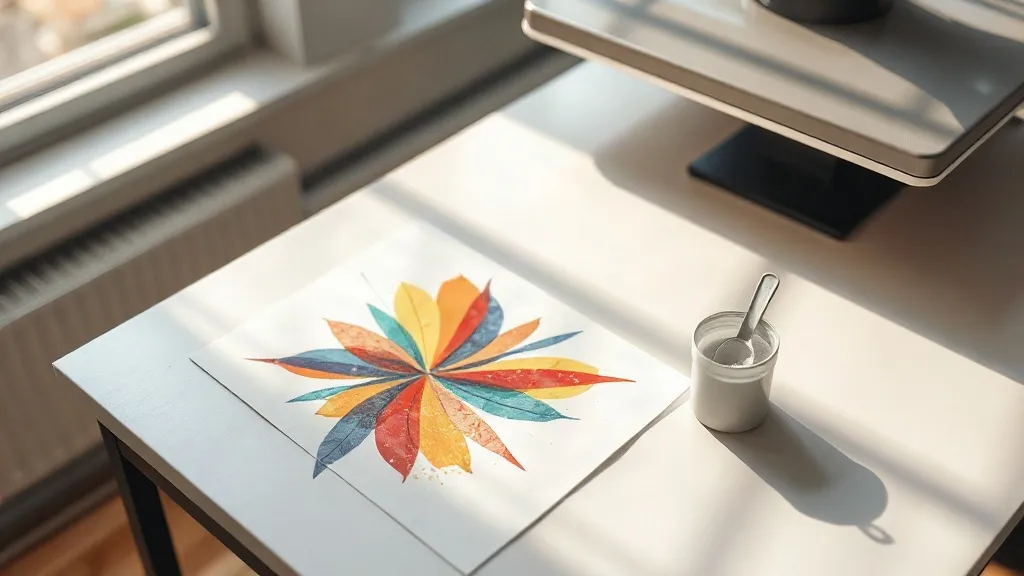
Humidity is the enemy here. On a damp day, powder clumps in the container and lands unevenly on the film. Many small shops keep a sealed container and a dedicated scoop, and they shake the film gently rather than dumping powder straight from the jar. It sounds fussy, but it directly affects how the finished print feels against skin.
Where DTF Fits and Where It Does Not
DTF is not the answer to every printing question, and pretending otherwise leads to disappointed customers. Here is a realistic view of the trade-offs.
- Strong fit: small to medium runs of full-color artwork, especially designs with gradients, fine detail, or photographic elements. Setup cost is low because there are no screens or plates.
- Strong fit: dark garments. White ink sits under the color layer, so colors stay bright instead of muddying into the fabric.
- Strong fit: mixed orders. One transfer type covers cotton, poly, blends, and many synthetic bags or accessories.
- Weaker fit: very large solid-color block prints, where screen printing still wins on cost per unit at volume.
- Weaker fit: garments that will be washed at high heat constantly, such as certain workwear, where a plastisol or specially cured print may outlast it.
There is also a storage consideration that rarely gets mentioned. Transfers are not indestructible before pressing. Left in a hot car or a humid back room, the adhesive layer can absorb moisture and press poorly. Keep them flat, dry, and away from direct heat, and they will behave predictably months later.
Pressing for Durability, Not Just for Looks
A transfer that looks perfect coming off the press can still fail in the wash if the pressing parameters were off. The goal is full adhesive activation without scorching the film or the garment.
Temperature, Pressure, and Time
Most films press in the 150 to 160 degree Celsius range for roughly 10 to 15 seconds, but the film manufacturer's spec sheet always wins over internet advice. Pressure should be firm and even. A press with a worn silicone pad or uneven platen will produce a transfer that adheres in the middle and lifts at the corners, which is exactly what customers notice first.
Peel temperature is another detail that trips people up. Some films are hot peel, some are cold peel, and peeling at the wrong moment can stretch the adhesive or pull fine details out of the design. If you are unsure, test a small corner before committing.
The Repress Habit
A short second press with a protective sheet over the design, often called a repress, does two useful things. It pushes the ink slightly into the fabric texture for a softer hand feel, and it re-activates the adhesive at the edges where lifting usually starts. Many experienced operators consider this step non-negotiable for stretchy fabrics.
Choosing a Supplier Without Getting Burned
When someone searches for dtf transfers near me, they are usually looking for two things at once: faster turnaround and a way to avoid shipping damage. Local pickup solves the second problem, but it does not automatically solve the first. A supplier who prints in-house and ships or hands over transfers the same week is worth more than one with a bigger catalog and a two-week lead time.
Ask practical questions before committing to a vendor. What film brand do they use? Do they cure the powder fully, or do they leave it tacky? Can they send a sample transfer so you can press it on your own equipment and wash it before placing a real order? A supplier who hesitates on any of these is telling you something useful.
What to Check on a Sample
- Press the sample on the fabric type you actually use most.
- Wash it inside out, at the temperature your customers will realistically use, and dry it normally.
- Inspect the edges after each cycle. Edge lift is the earliest warning sign.
- Stretch the print gently. Fine cracks along the design border suggest the adhesive layer is too thin or under-cured.
This small test costs one shirt and one wash cycle, and it prevents the much larger cost of a rejected order.
The Economics That Decide Whether DTF Makes Sense
DTF's real advantage is not the per-unit price at high volume; it is the low setup cost and the flexibility to print one-offs. A shop that takes custom orders with names, numbers, or unique artwork can run a single transfer without eating a setup fee. That changes what kind of business is possible. Small boutiques, sports teams, event vendors, and market stalls can all operate profitably at quantities that would be unthinkable with screen printing.
The trade-off is labor. Every transfer needs to be printed, powdered, cured, and later pressed. If your workflow is not organized, that labor adds up quietly. Batching similar jobs, keeping a clean powder station, and labeling transfers by order are unglamorous habits that protect your margin.
Common Questions From People Starting Out
How long do DTF prints actually last?
With correct pressing and normal care, most prints hold up well past fifty wash cycles. Washing inside out in cold water and avoiding high-heat drying makes a noticeable difference. Prints that fail early almost always trace back to under-activation during pressing or a garment that was not properly prepared.
Can I press DTF onto polyester without scorching it?
Yes, but you need to respect the fabric's limits. Use a lower temperature with a longer dwell time, and always use a protective sheet between the press and the film. Synthetic fabrics are far less forgiving of heat than cotton.
Do I need a commercial heat press?
For occasional personal use, a quality clamshell press is workable. For anything resembling a business, a press with consistent pressure and a reliable temperature readout is essential. Inconsistent pressure is the most common cause of partial adhesion.
Why does my transfer feel stiff?
Usually too much powder or too much pressure during the initial press. A lighter, even powder coat and a short repress with a protective sheet will soften the hand feel considerably.
Can DTF transfers be reused?
No. The adhesive layer bonds to the garment during pressing and cannot be reactivated for a second application. Treat each transfer as a single-use item and order accordingly.