
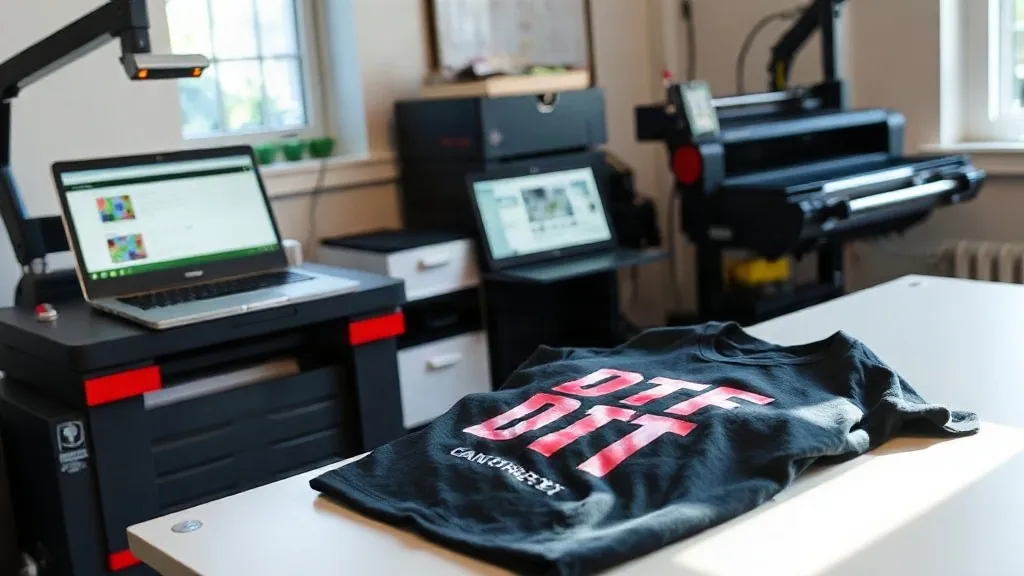
When it comes to DTF printing, the blank you choose can make or break your final product. shaka wear has emerged as a favorite among print shops for its consistent quality, diverse fabric blends, and retail-ready fits. But achieving success with DTF on Shaka Wear blanks requires more than just picking a shirt off the shelf. In this guide, we'll dive into the nuances of printing on Shaka Wear, from fabric composition to color management, and show you how to streamline your workflow with tools like the DTF Gangsheet Builder.
Why Shaka Wear Blanks Are a Game-Changer for DTF Printing
Shaka Wear has built a reputation for producing blanks that cater to the streetwear and urban fashion market. Their garments are known for their heavyweight fabrics, relaxed fits, and durable construction. For DTF printers, this translates to a canvas that can handle the demands of heat transfer printing while delivering a premium feel that customers love.
One of the key advantages of Shaka Wear is the variety of fabric blends available. From 100% cotton to cotton-polyester blends, each option presents unique characteristics that affect ink adhesion, color vibrancy, and wash durability. Understanding these differences is crucial for consistent results.
Fabric Composition and DTF Performance
Let's break down the most common Shaka Wear fabrics and how they interact with DTF transfers:
- 100% Cotton: Offers excellent ink absorption, resulting in vibrant colors and sharp details. However, cotton can be prone to slight shrinkage and may require pre-treatment to minimize fading over time.
- Cotton/Polyester Blends: These blends provide a soft hand feel and good durability. DTF prints adhere well, but color vibrancy may be slightly muted compared to pure cotton. The polyester content helps resist wrinkling and shrinkage.
- Tri-Blend (Cotton/Polyester/Rayon): Known for its ultra-soft texture, tri-blend fabrics can be trickier for DTF. The rayon content may cause ink to spread slightly, so precise pressure and temperature control are essential.
Pro tip: Always test print on a sample of the exact fabric blend you plan to use. Small variations between batches can affect transfer results.
Choosing the Right Shaka Wear Blank for Your Project
Not all Shaka Wear blanks are created equal. The style, weight, and color of the garment all play a role in the final outcome. Here's what to consider:
Style and Fit
Shaka Wear offers a range of styles from classic tees to hoodies and tank tops. Consider the intended use of the garment. For example, a heavyweight tee like the Shaka Wear Max Heavyweight is ideal for bold, large-scale DTF prints, while a lighter tri-blend tee works better for subtle, vintage-style designs.
Color Selection
The color of the blank significantly impacts how DTF inks appear. White and light-colored shirts allow for accurate color reproduction, while dark shirts may require a white underbase to make colors pop. Shaka Wear's color palette includes everything from brights to earthy tones, so you can match any design theme.
When printing on dark garments, always use a DTF film with a white layer. This ensures opacity and prevents the shirt color from muddying the design.
Mastering DTF Printing on Shaka Wear: Techniques and Tips
To achieve professional-grade results on Shaka Wear blanks, follow these best practices:
Pre-Treatment and Preparation
Proper preparation is half the battle. Before printing, pre-press the garment to remove moisture and wrinkles. This creates a smooth surface for the transfer. For cotton fabrics, a light pre-treatment spray can enhance ink adhesion, but be careful not to over-apply, as it can leave a stiff residue.
Temperature and Pressure Settings
Each fabric blend requires specific heat press settings. As a starting point:
- 100% Cotton: 320°F (160°C), medium pressure, 15 seconds
- Cotton/Poly Blend: 300°F (150°C), medium pressure, 12 seconds
- Tri-Blend: 290°F (145°C), light pressure, 10 seconds
Always peel the transfer while warm for best results. Cold peel can cause the film to adhere too strongly, leading to a textured finish.
Color Management and Ink Selection
DTF printing relies on CMYK inks plus white. To ensure accurate colors, use ICC profiles tailored to your printer and ink set. When printing on Shaka Wear's colored blanks, consider the shirt's undertone. For example, a heather grey shirt may require a slight color adjustment to compensate for the fabric's muted base.
Investing in high-quality DTF inks and films will pay off in the long run. Cheap consumables often lead to clogs, poor adhesion, and dissatisfied customers.
Streamlining Your Workflow with the DTF Gangsheet Builder
Efficiency is key to profitability in the DTF printing business. The DTF Gangsheet Builder is a powerful tool that allows you to arrange multiple designs on a single sheet, maximizing your film usage and reducing waste.
With the Gangsheet Builder, you can upload your artwork, nest designs to minimize gaps, and calculate the optimal layout before printing. This not only saves on consumables but also speeds up production. For Shaka Wear orders that involve multiple sizes and colors, the builder ensures you can produce gangsheets that accommodate all variations without excess film.
Many print shops using Shaka Wear have reported a 30% reduction in film costs after integrating the Gangsheet Builder into their workflow. It's a game-changer for high-volume orders.
Common Pitfalls and How to Avoid Them
Even experienced printers encounter issues when working with new blanks. Here are some common problems and solutions specific to Shaka Wear:
Ink Cracking
Ink cracking often occurs when the transfer is applied with too much pressure or at too high a temperature. Reduce pressure and lower the temperature slightly. Also, ensure the garment is completely flat and free of wrinkles before pressing.
Fading After Washing
Fading can result from insufficient ink coverage or improper curing. Make sure your DTF printer is producing a dense white layer and that the transfer is fully fused. Advise customers to wash garments inside out in cold water and avoid harsh detergents.
Color Shift on Blends
On polyester blends, colors may appear duller due to the fabric's texture. Using a higher white ink density and adjusting the color profile can help. Always test on a sample first.
Maximizing Customer Satisfaction with Shaka Wear
Shaka Wear blanks are popular among end consumers for their comfort and style. By delivering high-quality DTF prints on these garments, you enhance customer satisfaction and build loyalty. Consider offering a wash guarantee or care instructions to set your shop apart.
Remember that consistency is key. Document your settings for each Shaka Wear fabric and style, and train your staff to follow them. This ensures every order meets your quality standards.
Frequently Asked Questions
What is the best Shaka Wear blank for DTF printing?
The best blank depends on your design and customer preference. For vibrant, detailed prints, 100% cotton styles like the Shaka Wear Max Heavyweight are ideal. For softer, vintage looks, tri-blend tees work well. Always test print on a sample to confirm results.
How do I prevent DTF prints from cracking on Shaka Wear hoodies?
Cracking on hoodies often stems from excessive pressure or insufficient heat. Use medium pressure and ensure the transfer is fully cooled before stretching. Also, pre-press the hoodie to remove moisture and wrinkles, and consider using a pressing pillow for seams.
Can I use the DTF Gangsheet Builder for small orders?
Absolutely. The Gangsheet Builder is beneficial for orders of all sizes. It helps you optimize film usage even for single items by combining designs from multiple orders into one gangsheet, reducing waste and saving money.
What is the recommended wash care for DTF-printed Shaka Wear garments?
Turn the garment inside out and machine wash cold with mild detergent. Avoid bleach and fabric softeners. Tumble dry low or hang dry. Do not iron directly on the print. Following these guidelines will extend the life of the print.
How can I ensure color accuracy when printing on colored Shaka Wear blanks?
Use ICC profiles calibrated for your printer and ink. For dark shirts, always include a white underbase. For heather or muted colors, adjust your design's color values slightly to compensate for the fabric's undertone. Testing on a sample is crucial.