
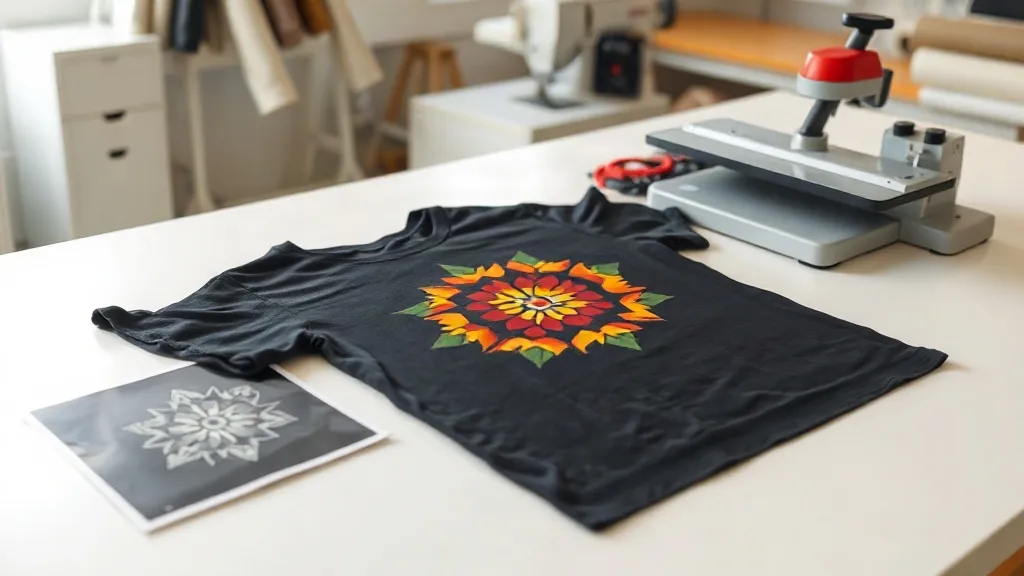
Printing on dark fabrics has always been a challenge for apparel decorators. Whether you're working with black t-shirts, navy hoodies, or deep red canvas, achieving bright, opaque graphics that pop is no small feat. That's where dtf transfers come in. Unlike traditional screen printing or vinyl, DTF (Direct-to-Film) technology allows you to transfer intricate designs onto dark garments with exceptional color vibrancy and durability. In this guide, we'll explore why dtf excels on dark fabrics and share practical tips to help you get professional results every time.
Why DTF Transfers Are Ideal for Dark Fabrics
DTF transfers use a unique process: designs are printed onto a special film, coated with adhesive powder, and then heat-pressed onto the fabric. This method offers distinct advantages for dark materials. First, the white ink layer in DTF printing acts as a base, ensuring that colors remain vivid even on black or dark backgrounds. Second, the adhesive powder creates a strong bond with the fabric fibers, reducing the risk of cracking or peeling. And because DTF doesn't require a separate white underbase like screen printing, it's more efficient for small batches and complex designs.
Another key benefit is the ability to print on a wide range of dark fabrics, including cotton, polyester, blends, and even nylon. This versatility makes dtf a go-to choice for custom apparel shops, sports teams, and promotional products. Plus, DTF transfers can be stored and applied on demand, saving you time and reducing waste.
Choosing the Right Dark Fabrics for DTF Transfers
Not all dark fabrics are created equal when it comes to DTF. The fabric's composition, weave, and finish all affect how well the transfer adheres and how vibrant the final print appears. Here's what to consider:
- Fabric Content: 100% cotton and cotton/poly blends are generally the easiest to work with. Polyester can also work well, but some high-performance polyesters may require lower pressing temperatures to avoid dye migration.
- Colorfastness: Dark dyes, especially cheap or unstable ones, can bleed or migrate into the transfer over time. Always pre-test a small area if you're unsure.
- Texture: Smooth, tightly woven fabrics provide the best surface for adhesion. Rough or heavily textured fabrics may need a higher pressure or a longer press time.
If you're sourcing blanks, look for garments that are specifically recommended for heat transfer applications. Many suppliers now label their products as DTF-friendly, which takes the guesswork out of selection.
Preparing Dark Garments for DTF Application
Proper preparation is crucial for a successful DTF transfer, especially on dark fabrics. Follow these steps to ensure optimal adhesion and longevity:
- Pre-press the garment: This removes moisture and wrinkles, creating a smooth surface. Set your heat press to the recommended temperature (usually around 300°F to 320°F) and press for 5-10 seconds.
- Lint removal: Use a lint roller or brush to remove any dust or fibers. Even small particles can interfere with the bond.
- Positioning: Place the transfer on the garment with the adhesive side down. Use heat-resistant tape if needed to keep it in place.
- Pressing: Apply medium to firm pressure for 10-15 seconds. Check the transfer's instructions for exact settings, as they can vary by film type.
- Peeling: Wait until the transfer is completely cool before peeling the film. This “cold peel” method is standard for DTF and ensures the design stays intact.
For dark fabrics, it's especially important to avoid over-pressing, which can cause the adhesive to spread and create a glossy halo around the design. Stick to the recommended parameters and always test on a scrap piece first.
Maximizing Color Vibrancy on Dark Backgrounds
One of the biggest concerns with dark fabrics is color vibrancy. DTF transfers are designed to deliver bright, saturated colors, but a few tricks can help you get the most out of your prints:
- Use high-quality inks: Not all DTF inks are created equal. Invest in inks that are known for their opacity and color intensity.
- Ensure proper white ink density: The white layer is what makes colors pop on dark fabrics. Work with a printer or service that uses sufficient white ink coverage.
- Avoid stretching the transfer: When applying, make sure the transfer is flat and not stretched, as this can thin out the ink and reduce opacity.
- Press with even pressure: Uneven pressure can cause some areas to appear dull. Use a heat press with a consistent pressure gauge.
If you're outsourcing your transfers, choose a reputable supplier like dtfprods.com that specializes in high-opacity DTF films. They can provide samples so you can test vibrancy before committing to a large order.
Troubleshooting Common Issues on Dark Fabrics
Even with the best practices, issues can arise. Here are some common problems and how to fix them:
1. Dull or Faded Colors
This often indicates insufficient white ink or improper pressing. Try increasing the white ink layer or adjusting pressure and temperature. Also, ensure the fabric is clean and free of fabric softeners, which can repel the adhesive.
2. Cracking or Peeling
Cracking usually happens when the transfer is stretched during application or if the adhesive isn't fully activated. Make sure to press with enough pressure and allow the transfer to cool completely before peeling. If peeling occurs after washing, check the wash instructions; DTF prints should be washed inside out in cold water and tumble dried low.
3. Dye Migration
Some dark dyes, particularly on polyester, can migrate into the transfer over time, causing discoloration. To prevent this, use a lower pressing temperature and a shorter dwell time. Alternatively, look for fabrics with dye-blocking properties.
4. Ghosting or Halo Effect
This is often caused by excessive pressure or too high a temperature, which makes the adhesive spread beyond the design. Reduce pressure and ensure your press is calibrated correctly.
Finding Quality DTF Transfers Near You
If you're looking to incorporate DTF into your workflow, you might be wondering where to source reliable transfers. Searching for dtf transfers near me can help you find local suppliers who can provide quick turnaround and personalized support. Local suppliers often offer sample packs and can advise on the best settings for your specific fabrics. However, many businesses now rely on online suppliers who ship nationwide, offering competitive pricing and consistent quality.
When evaluating a supplier, consider their ink quality, film durability, and customer service. A good supplier will provide detailed application instructions and stand behind their products. dtfprods.com is a trusted name in the industry, known for their vibrant transfers and reliable performance on dark fabrics.
Best Practices for Long-Lasting DTF Prints on Dark Garments
To ensure your DTF prints stand the test of time, follow these care recommendations:
- Wash garments inside out in cold water with mild detergent.
- Avoid using bleach or fabric softeners.
- Tumble dry on low or hang dry.
- Do not iron directly on the print; if needed, iron inside out on a low setting.
- Wait at least 24 hours after application before washing.
By following these guidelines, you can extend the life of your DTF prints and keep them looking vibrant wash after wash.
Frequently Asked Questions
Can DTF transfers be used on black polyester?
Yes, DTF works well on black polyester, but you need to be mindful of dye migration. Use a lower pressing temperature (around 280°F to 300°F) and a shorter press time to minimize the risk. Also, pre-test with a small sample if possible.
How do I prevent the transfer from looking dull on dark colors?
Ensure that the white ink layer is sufficiently opaque. If you're printing your own transfers, increase the white ink density. If you're buying transfers, choose a supplier that guarantees high opacity. Additionally, press with even pressure and avoid over-stretching the transfer.
What is the best way to store DTF transfers before use?
Store them in a cool, dry place away from direct sunlight. Keep them flat to avoid creasing. Properly stored transfers can last for several months.
Can I layer DTF transfers on dark fabrics?
Layering is possible, but it requires careful planning. Apply the bottom layer first, press, peel, then apply the top layer. Use a lower temperature for the second press to avoid re-melting the first layer. Always test layering on a scrap piece first.
How long do DTF transfers last on dark garments?
With proper application and care, DTF transfers can last as long as the garment itself. Following the wash and care instructions is key to longevity.
DTF transfers have revolutionized decorating dark fabrics, offering unmatched vibrancy and durability. By choosing the right fabrics, preparing garments correctly, and following best practices, you can achieve professional results that impress your customers. Whether you're a small business owner or a DIY enthusiast, mastering DTF on dark fabrics opens up a world of creative possibilities.