
When you walk into a print shop, the first thing you notice is the heat press, the rolls of film, and the hum of the printer. But the real magic of dtf transfers happens long before the press closes. It's in the chemistry of the ink, the precision of the powder, and the quality of the film. Get any of these wrong, and you'll see it in cracked prints, washed-out colors, or transfers that peel after a single wash. In this guide, we'll break down each component and show you how to make them work together for consistently excellent results.
The Ink: More Than Just Color
DTF ink isn't your average printer ink. It's a specially formulated pigment suspension that must remain stable under heat and adhere to the powder. The key is in the particle size and the carrier fluid. Cheaper inks often use larger particles that clog printheads and produce grainy prints. High-quality dtf ink, on the other hand, has finer particles that atomize evenly, resulting in smooth gradients and sharp details.
Another critical factor is the white ink. In DTF printing, white ink acts as the base layer that makes colors pop on dark garments. But white ink is notoriously tricky to work with because the titanium dioxide particles are heavy and tend to settle. That's why you need a printer with a robust circulation system, or you risk clogged nozzles and inconsistent opacity. When shopping for ink, look for brands that specify a shelf life and storage conditions. And never mix inks from different manufacturers, even if they claim to be compatible. The chemical balance can be off, leading to coagulation or poor adhesion.
The Powder: The Unsung Hero of Adhesion
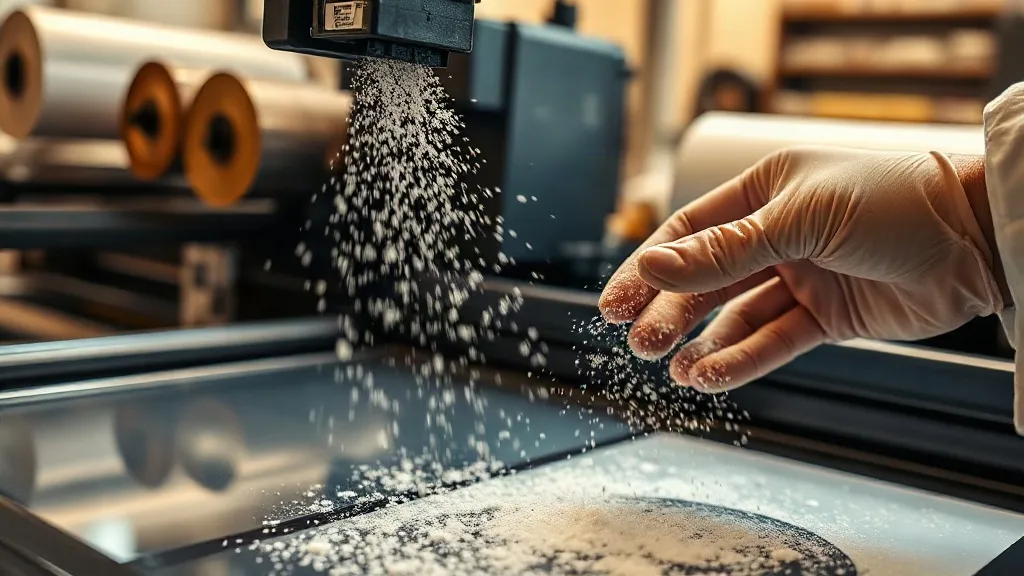
After printing, the wet ink is dusted with a thermoplastic powder, typically polyurethane-based. This powder melts during the curing process and forms a flexible bond between the ink and the fabric. The powder's particle size distribution is crucial: too coarse, and you'll feel a gritty texture; too fine, and it may not provide enough adhesion. Most reputable suppliers offer powder in two grades: fine and coarse. Fine powder is ideal for detailed prints and stretchy fabrics, while coarse powder works well for bold, solid areas.
Application technique matters too. You want an even coat that covers all the wet ink but doesn't pile up. A powder shaker with a fine mesh screen helps, but many shops use a automated powder applicator for consistency. After shaking off the excess, you must cure the powder properly. Under-curing leads to powder washing off in the first wash; over-curing makes the transfer stiff and yellowed. The sweet spot is usually around 160-170°C for 2-3 minutes, but always follow the powder manufacturer's recommendations.
The Film: The Canvas for Your Masterpiece
DTF film is a PET-based sheet coated with a release layer. It must withstand the heat of printing and curing without warping, and it must release the transfer cleanly when peeled. The two main types are cold peel and hot peel. Cold peel film requires the transfer to cool completely before peeling, which can slow down production but often yields a smoother finish. Hot peel film allows you to remove the carrier sheet while the transfer is still hot, speeding up the process but requiring a bit more finesse to avoid stretching the print.
Film thickness also plays a role. Thinner films (around 75 microns) conform better to textured fabrics and are less noticeable on the garment. Thicker films (100 microns or more) are more durable but can feel plasticky. For most shops, a 75-100 micron film is a good compromise. And don't overlook the importance of storage: film absorbs moisture, which can cause curling and printing defects. Keep unused film in a sealed bag with desiccant packs, and avoid storing it in humid areas.
How Ink, Powder, and Film Interact
These three components don't work in isolation. The ink must be compatible with the powder's chemistry, and the film must release the ink-powder matrix cleanly. For example, if you use a low-quality ink that doesn't fully cure, the powder won't adhere properly, leading to premature peeling. Similarly, if the film's release layer is too aggressive, it can pull away some of the ink during peeling, leaving a patchy print.
To ensure harmony, stick with a reputable supplier who offers a complete system. Many manufacturers formulate their ink, powder, and film to work together. If you're mixing brands, test a small batch before committing to a large job. And always maintain your printer: clogged nozzles or a worn printhead can ruin even the best supplies.
Choosing the Right Supplies for Your Shop
When sourcing dtf transfers near me, consider your production volume and the types of fabrics you print on. High-volume shops benefit from bulk ink systems and automated powder applicators, while small shops may prefer pre-made transfers or smaller quantities. Don't be tempted by the cheapest options; the cost of reprints and unhappy customers far outweighs the savings. Look for suppliers who provide technical data sheets and responsive support. And always request samples to test on your typical garments.
Frequently Asked Questions
Can I use any ink in my DTF printer?
No. DTF printers require specially formulated pigment inks that are designed to work with the powder and film. Using standard inkjet ink will result in poor adhesion and faded prints.
How do I store DTF powder to prevent clumping?
Keep powder in an airtight container in a cool, dry place. Avoid humidity, which causes clumping. If clumps form, sift the powder before use.
What's the difference between hot peel and cold peel film?
Hot peel film allows you to remove the carrier sheet immediately after pressing, speeding up production. Cold peel requires the transfer to cool completely, which can yield a smoother finish but slows down the process.
Why are my DTF transfers cracking after washing?
Cracking usually indicates under-curing of the powder or insufficient pressure during pressing. Ensure your press is calibrated and follow the recommended curing parameters.
Can I use DTF transfers on nylon or waterproof fabrics?
DTF transfers adhere best to cotton, polyester, and blends. Nylon and waterproof fabrics may require special low-temperature powder or a different transfer method.