
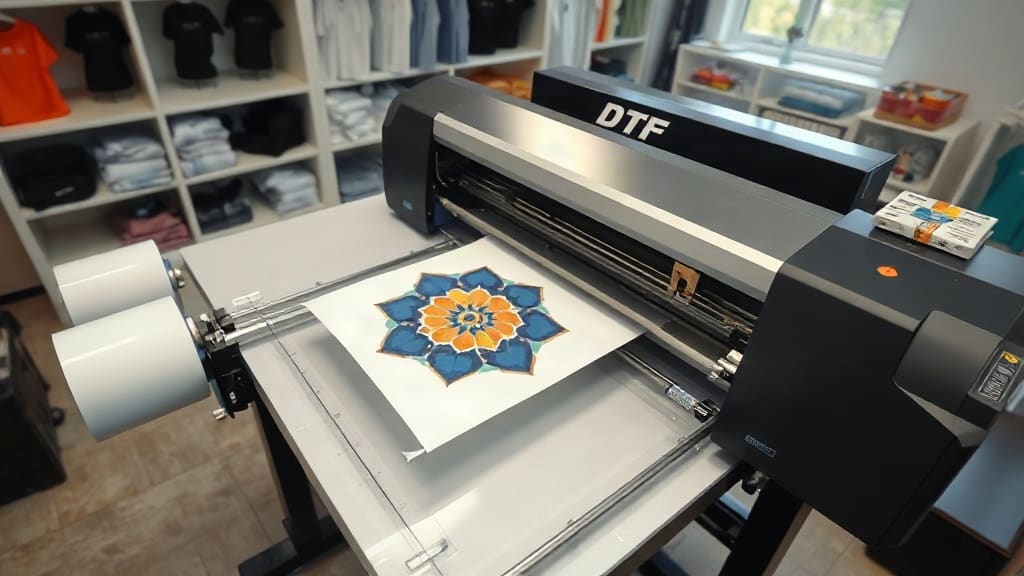
When you need custom apparel or promotional items, DTF (Direct to Film) printing has become a go-to method for its versatility and vibrant results. But finding a reliable service that offers DTF transfers can feel overwhelming, especially when you search for “DTF transfers near me” and get dozens of options. In this guide, I’ll walk you through what DTF printing really involves, how to evaluate local providers, and what steps you can take to ensure your order turns out exactly as you imagined. Whether you’re a small business owner or a hobbyist, this advice will save you time, money, and frustration.
What Is DTF Printing and Why Is It So Popular?
DTF printing is a process where a design is printed onto a special film, coated with adhesive powder, and then heat-pressed onto fabric. Unlike traditional screen printing, DTF doesn’t require screens or extensive setup, making it perfect for short runs and complex, colorful designs. The result is a soft, durable print that works on cotton, polyester, blends, and even hard surfaces like mugs with the right adhesive.
What makes DTF so appealing is its ability to produce photo-quality images with fine details. Plus, the transfers can be stored and applied later, which is a huge advantage for businesses that need to keep designs in stock. As someone who has experimented with various printing methods, I’ve found DTF to be the most forgiving and versatile for custom work.
What to Look for When Searching “DTF Transfers Near Me”
When you start your search, you’ll likely see a mix of local print shops, online services, and home-based businesses. Not all are created equal, so here are the key factors to consider.
Print Quality and Resolution
The most critical aspect is the print quality. A good provider uses high-resolution printers (at least 1200 dpi) and quality inks. Ask to see samples, not just on their website but in person if possible. Look for crisp edges, smooth gradients, and accurate colors. If they can’t provide physical samples, that’s a red flag.
Film and Adhesive Quality
DTF films vary in thickness and coating, which affects how well the transfer adheres to fabric. Cheaper films may crack or peel after a few washes. Inquire about the brand of film they use and whether they offer a warranty on their transfers. A reputable shop will stand behind their product.
Turnaround Time
If you need transfers for an event or a customer order, timing is everything. Under “DTF transfers near me,” you’ll find some shops that promise 24-hour service, but that often compromises quality. Look for a provider that gives a realistic turnaround, usually 2-5 business days for standard orders, and offers rush options if needed.
Pricing Transparency
Pricing should be clear and based on size, quantity, and number of colors. Be wary of quotes that seem too good to be true. DTF involves significant investment in equipment and materials, so extremely low prices often indicate shortcuts. Request a detailed quote and compare it with other local options.
Customer Reviews and References
Read online reviews on Google, Yelp, and social media. Look for patterns: are there any complaints about fading, peeling, or customer service? Don’t hesitate to ask for references from past clients, especially those in your industry. A trustworthy provider will happily share them.
Common Mistakes to Avoid When Ordering DTF Transfers
Even with a good provider, mistakes can happen. Here are the most common pitfalls I’ve seen and how to avoid them.
Ignoring Fabric Compatibility
DTF works best on certain fabrics. While it can adhere to most materials, synthetic fabrics like polyester require special care because the heat press can melt them. Make sure you discuss your garment type with the provider. They should adjust the pressure and temperature accordingly.
Not Ordering a Sample Batch
Before committing to a large order, order a few sample transfers and test them on your own garments. This allows you to check washability, feel, and color accuracy. Many providers offer discounted sample packs. This step has saved me from costly mistakes more than once.
Overlooking the Design File Requirements
DTF prints require high-resolution files with transparent backgrounds. If your design has a solid background, the printer will have to create a white underbase that might cause a stiffness. Provide vector files (AI, EPS, PDF) if possible, or high-res PNGs (300 dpi). A good provider will offer guidance on file setup, but it’s your responsibility to deliver a clean design.
Assuming Color Accuracy Is Guaranteed
Colors on your monitor may look different when printed. This is especially true for neon and pastel shades. Ask for a proof or a physical color sample before the full run. Most shops provide a digital proof, but that’s only a guide. To be safe, approve a physical sample if you’re ordering a large quantity.
How to Evaluate the Quality of a DTF Transfer
Once you receive your transfers, here’s what to check before applying them.
- Inspect the film: Is the ink evenly coated? Are there any streaks or gaps?
- Check the adhesive: The powder should be evenly distributed and not too thick or thin.
- Do a test press: Apply the transfer to a scrap piece of fabric and see how it looks after washing.
- Feel the print: A good DTF transfer should feel soft to the touch, not rubbery or stiff.
- Check elasticity: Stretch the fabric after pressing; the print should not crack or separate.
DIY vs. Professional Services: Which Is Right for You?
Some people consider buying their own DTF printer to save money in the long run. While that’s an option, it comes with a steep learning curve and significant upfront costs. You’ll need to master color management, powder application, and curing. Unless you plan to print regularly in high volumes, partnering with a professional service is often more cost-effective and ensures consistent quality.
That said, if you’re a hobbyist who loves experimentation, a home DTF kit can be a fun project. Just be prepared for trial and error. I’ve seen many people give up after wasting rolls of film. If you decide to go DIY, start with simple designs and gradually work up to complex ones.
Tips for Building a Lasting Relationship with Your DTF Provider
Once you find a reliable local provider, nurture that relationship. Here’s how:
- Communicate clearly: Describe your project, deadlines, and expectations upfront.
- Send accurate files: Double-check your artwork for errors before sending it.
- Be open to feedback: If they suggest changes to your design for better results, listen.
- Order consistently: If you’re a repeat customer, you might get better pricing and priority service.
- Leave reviews: Positive reviews help them and help other businesses like yours.
Frequently Asked Questions
How much do DTF transfers cost locally?
Pricing varies depending on your area and the provider’s setup. Generally, you might pay anywhere from $1 to $5 per transfer for standard sizes. Factors like quantity, number of colors, and design complexity influence the price. Always ask for a detailed quote and compare it with at least two other shops.
Can I use DTF transfers on dark-colored garments?
Yes, that’s one of the biggest advantages of DTF. The printer lays down a white underbase, so colors pop even on black shirts. However, ensure the provider uses high-opacity white ink to prevent sheer areas.
How should I store DTF transfers before pressing?
Store them in a cool, dry place away from direct sunlight. Keep the printed side up and avoid stacking heavy objects on top. If stored properly, they can last for months without losing quality.
What is the best temperature and time for pressing DTF transfers?
Most DTF films require a pressure of 40-60 PSI, a temperature of around 320°F (160°C), and a press time of 10-15 seconds. But always follow the specific instructions from your provider, as settings may vary based on the film and adhesive used.
How many washes can DTF transfers withstand?
With proper application and care, DTF transfers can last 50 or more washes. To maximize durability, wash garments inside out in cold water and tumble dry on low. Avoid using bleach or fabric softeners, which can degrade the adhesive.
Final Thoughts
Finding the right DTF transfers near me doesn’t have to be a gamble. By focusing on quality indicators, communicating openly, and testing small batches first, you can ensure your projects look professional and withstand the test of time. Remember, the cheapest option isn’t always the best. Invest in a provider who takes pride in their work, and your customers will notice the difference. Happy printing!